
- Life can be tough, especially when you can only expect it to last a few minutes.
We all sometimes feel like life is just too short. Compared to many other creatures out there, though, humans live for practically an eternity.
Some animals have extremely short lifespans, even after you discount falling victim to predators or disease. They’re simply not built to live long, for whatever reason.
That said, we doubt any of these creatures mourn (or are even aware of) their quickly approaching demise. They all have a job to do in their brief lives and that leaves no room for sentimentality.
Here are eight animals who are here for a good time, not a long time.
1. Sparrows — 3 Years
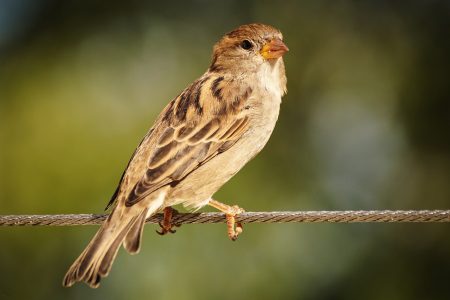
Birds sort of win the lifespan lottery when compared to other animals. Even the shortest-living birds can comfortably rely on getting at least a few years on earth.
The common house sparrows are among the birds with the shortest lives, averaging somewhere around three years before death takes them. That said, they’re not unique in this regard — virtually all small birds have similar lifespans.
Things can vary by a year or two, however. For instance, the ruby-throated hummingbird typically reaches five years despite being much smaller.
2. Shrews and Mice — 12 months
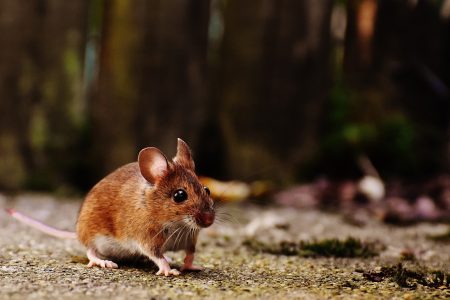
Shrews and mice share the questionable honor of being the mammals with the shortest lifespan. Both kinds of little furballs usually pass away of old age around their first birthday.
They’re a lot less likely to live even that long in the wild, however. It’s a dangerous world out there, and wild shrews and mice average only about four months before something gets them.
While it may seem cruel, plenty of ecosystems depend on mice and shrews not living very long. Many predators rely on catching them for their food, and without them, the whole system would collapse.
3. Labord’s Chameleon — 3 Months
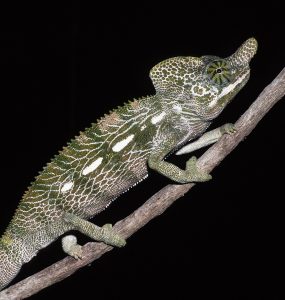
Labord’s chameleon is a small chameleon species living in the forests of western Madagascar. They are the shortest-living reptiles, with the reaper generally coming for them after three months of adult life.
Technically, however, they live around a year. But the thing is, about nine months of that life is spent incubating inside an egg, so we’re only counting the adult life.
Strangely, the chameleons only reach sexual maturity around two months after leaving their egg. That gives only one month to make new chameleons before the end.
4. Seven-Figure Pygmy Goby — 2 Months
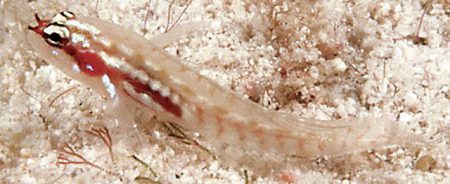
The seven-figure pygmy goby is a roughly one-inch-long fish that swims around shallow reefs in the western Pacific Ocean. This tiny fish has the shortest lifespan of all vertebrates.
The pygmy goby completes its entire lifecycle in just 59 days. In that timespan, it spends three weeks as a larva, two weeks finding a place to settle in its reef home, and finally, it has another three weeks to get freaky.
Pygmy gobies’ lives are so short that researchers believe this is the lowest possible lifespan a vertebrate could possibly have. Then again, life (and death) always find a way.
5. Drone Ant — 2 Weeks
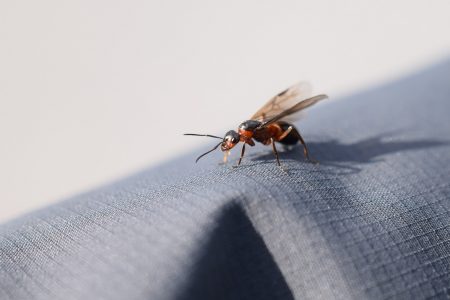
Being a male ant is a rather inglorious existence. Whereas an ant queen can live for 15 years and even workers (who are also female) live up to seven, drone ants — the sole males of the colony — are considered grizzled old-timers if they make it past a week.
The longest a drone ant can live is somewhere around two weeks. However, there’s a reason for their short lives.
Drones exist only to mate with the queen, after which their lives are unnecessary for the colony. So, instead of sitting around as another mouth to feed, the drones drop dead for the greater good.
At least the drones get to have wings, unlike any others in the colony.
6. Luna Moth — 1 Week
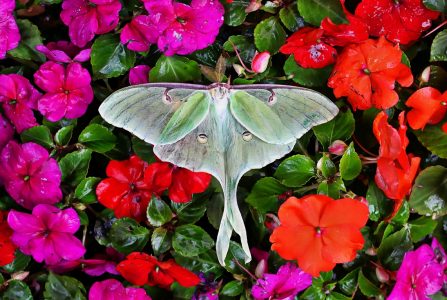
The luna moth is a large, gorgeously green moth found across North America. The adult moths typically emerge in spring, having wintered in the cocoon.
As soon as they crawl out of the cocoon, however, the clock starts ticking. The adult luna moth lives only for a week with the singular goal of mating.
They’re so dedicated to having sex that the adult moths don’t even have functional mouths — they’re completely unable to eat and will soon starve. In the end, these beautiful creatures are nothing but pimped-out transport vehicles for their genitals.
7. Gastrotrich — 10 Days
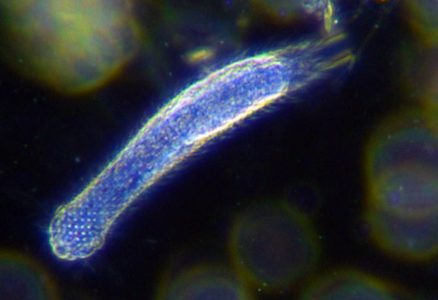
Don’t feel bad if you’ve never heard of gastrotrichs (also known as hairybellies). They’re microscopic, cylindrical creatures that live in both freshwater and oceans.
As such, it probably doesn’t surprise you that their lives aren’t very long. On average, gastrotrichs live for 10 days, but many of them kick the bucket much earlier than that.
Despite their brief existence, gastrotrichs are vital for the health of watery ecosystems. They eat bacteria and algae, which could quickly get out of control if the gastrotrichs weren’t there to keep them in their place.
8. Adult Mayfly — 5 Minutes
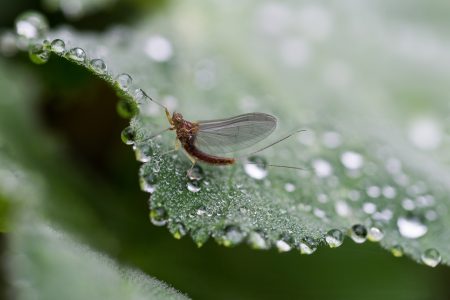
Mayflies are often synonymous with brief lives, but few people realize how quickly these insects die. The absolute king of having a short life is the American sand-burrowing mayfly.
The adult males of this species live for an hour after emerging. The females don’t make it even that far — they have exactly five minutes to mate before death takes them.
With all that said, even these mayflies spend two years in the ground as nymphs before their brief adult existence. Still, living five minutes just so you can have sex is pretty ridiculous.
“Babe, I literally do not have time for foreplay. I’m dying.”