
- Here’s how to be a great parent. Perhaps a little too great.
Being a good parent takes dedication and hard work. It’s far from easy, but the results sure are rewarding.
Recently, we published a list of animals with absolutely horrendous parenting methods. Perhaps reading that list got you thinking that there simply aren’t good mothers and fathers in nature.
That’s wrong, though. Some animals are better parents than most people. And then there are those who take parental self-sacrifice so far that… Well, it becomes a little weird.
Here are seven animals that are excellent parents — sometimes too much so.
1. Elephants Hire Teen Babysitters
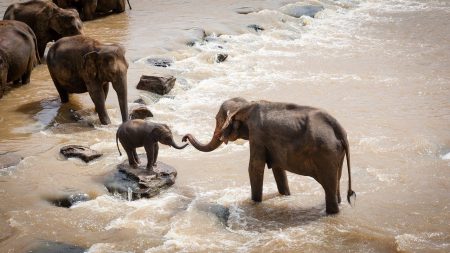
The difficulties of an elephant mother start right with the pregnancy. Elephants have the longest pregnancies of all mammals, carrying their baby anywhere from a year and a half to two years.
Once the kid is born, it’s understandable that the mom might need a small break. Fortunately, just like many human parents, she can call on the neighbor’s teen daughter to look after her child.
All female elephants in a herd will babysit each other’s kids if they need to. However, young females that haven’t yet had their own babies are typically the most enthusiastic.
This arrangement benefits everybody. The mother ‘phant can go get a good bite to eat from farther away, the baby gets to enjoy more milk from a well-fed mother, and the teen elephants get to learn valuable parenting skills.
2. Incredibly Patient Orangutan Moms
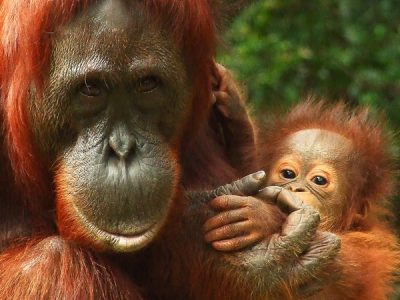
An elephant mom might have a long pregnancy, but being pregnant is just the brief beginning of an orangutan female’s mothering duties. These great apes have the longest childhood dependence period out of any animal on the planet.
For instance, orangutans don’t start eating food until they’re six years old. That means they’re entirely dependent on their mother’s milk for years and years.
During that time, the mother teaches her child everything it needs to know about being an orangutan. From nest building to gathering food (that the kid won’t eat yet), the child should be ready to start an independent life at the end of the six-year period.
Not all do, though, and orangutan kids have been observed to be more or less permanent visitors with their mothers until they’re 15. At that point, though, they’re more like the 30-year-old guy who never moved out of his mother’s basement.
3. Single Emu Super Dads
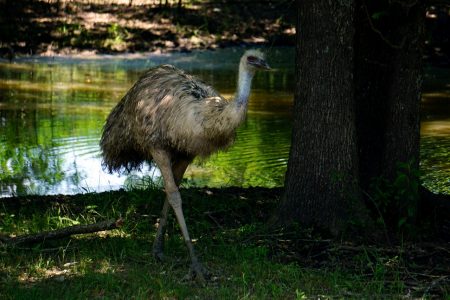
There are a lot of rock star mothers in nature, but we shouldn’t forget the super dads, either. The society of emus is a bit lopsided in that the males are stuck with the parenting duties.
The female typically sticks around just long enough to lay eggs in the nest the male built and then goes looking for the next suitor. Meanwhile, the male squats on the eggs and begins the eight-week incubation period.
During those weeks, he doesn’t eat or poop, moves only to turn the eggs around, and drinks whatever morning dew he can reach. By the time the chicks hatch, their father will have lost a third of his body weight.
Afterward, the male emu stays with his kids for up to 18 months, teaching them what they need to know about emu-ing it up.
4. Cotton-top Tamarins’ Parenting Co-op
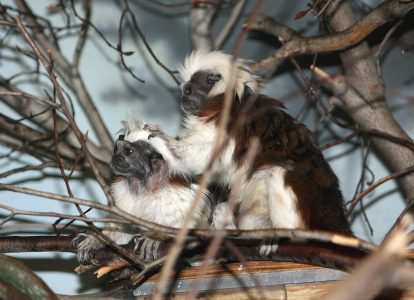
It’s typical for both parents to share their parenting duties. Cotton-top tamarins, however, believe in collective parenting.
After a female tamarin gives birth, she’ll nurse her babies for a week. After that point, the kids no longer have just one parent.
Every male and female member of the tamarin group will pitch in to bring the kids up. No matter who, the nearest adult is always ready to help them eat, wash, or whatever else they need.
This system works because cotton-top tamarins live in an authoritarian system where only one pregnancy is allowed at a time. When a female gets pregnant, the group’s dominant female will suppress all other babymaking to ensure all of her tamarin comrades are ready to provide collective care for the newborns.
5. Chickens Dissolve Their Bones for Eggshells
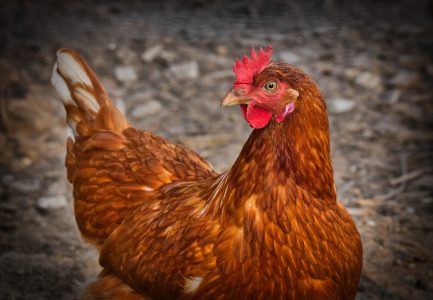
Chickens lay eggs all the time, so you wouldn’t think they care all that much for them. If you look at what’s happening inside the bird, though, chickens sacrifice a lot for their eggs.
Eggshells are made of calcium that the mother hen must provide. She gets most of it from her diet, but sometimes that may not be enough.
That’s fine, though, because she has a backup plan. She simply begins dissolving her own bones to make up for what’s missing.
This is why it’s very important for chicken farmers to ensure their birds get enough calcium. Otherwise, the egg-laying hens may develop osteoporosis from sacrificing their bones for their kids.
6. Octopus Mothers Starve Themselves to Death
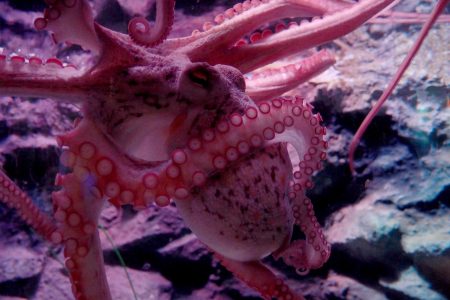
When it comes to sacrificing for your children, few can beat the giant Pacific octopus. She would die for her kids — and she, in fact, will.
After laying her eggs, the female octopus guards them with great care. To ensure the eggs stay clean and healthy, she constantly blows streams of oxygenated water over them.
And when we say constantly, we mean it. For six months, she stays with the eggs, without eating or caring for herself. Well, she might eat her own flesh as she purposefully rips her body apart to give possibly predators a more attractive target than her eggs.
Her efforts are rewarded with hundreds of bouncing baby octopus hatchlings. Unfortunately, they will never meet their mother, because by the time they hatch, she will have starved to death.
7. Mother Spider’s Homemade Meal
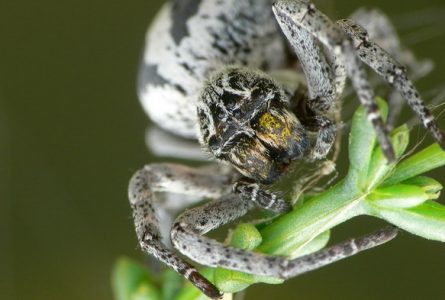
We said few mothers can beat the giant Pacific octopus in self-sacrifice. The Stegodyphus spiders, however, just might.
These spiders lay their eggs in cocoons on their webs, guarding them until they hatch. Once the baby spiders crawl out from their eggs, their mother stops eating for herself and regurgitates the bugs she consumes for her children.
As a month passes, the spiderlings develop the ability to hunt for themselves. But first, they need a practice target.
The mother spider knows what must be done. She lies down on her back, exposing her softer belly parts to her kids, and waits for them to chow down on the last dinner their mother will serve them.