
- What do you know about it?
What do you know about death in the Victorian era? Do you think these facts will surprise you?
Mourning could become an entire lifestyle. When someone died, surviving relatives were expected to follow elaborate social rules governing clothing, behavior, socializing, and even how long they should remain in mourning.
Black clothing wasn’t just a fashion choice. Widows were commonly expected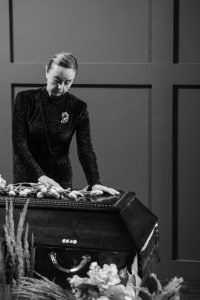 to wear black, often for extended periods. Their clothing visibly announced their grief to everyone they encountered. Did you know this about death in the Victorian era?
Widows had especially strict rules. A widow might wear plain black clothing and a heavy veil for months or years. The expected mourning period depended on her relationship to the deceased.
Mourning clothes could be incredibly elaborate. Despite being black, mourning fashion included specialized fabrics, jewelry, veils, gloves, bonnets, and trims designed specifically for grieving.
There was such a thing as “mourning etiquette.” Victorian etiquette books gave families guidance on what was considered appropriate after a death—including when mourners could resume visiting friends or attending social events.
Children could be dressed in mourning too. Families often dressed children in black after the death of a close relative. Clothing served as a public symbol that the household was grieving. Did you know this about death in the Victorian era?
People sometimes wore jewelry made from human hair. Locks of hair from deceased loved ones could be incorporated into brooches, bracelets, necklaces, and other sentimental objects.
Hair was considered an intimate keepsake. Unlike photographs, hair could be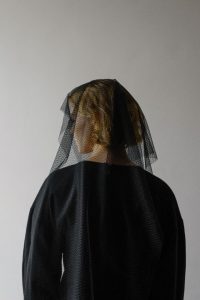 physically preserved. A small lock could therefore become a permanent reminder of someone who had died.
Postmortem photography became surprisingly popular. Families sometimes commissioned photographs of deceased relatives, particularly children. For many families, the photograph could be the only formal portrait they ever had of the person.
Some photographs made the dead appear to be sleeping. Photographers carefully posed bodies and used lighting and positioning to create peaceful-looking images. Did you know this about death in the Victorian era?
Death portraits weren’t necessarily considered creepy at the time. Modern viewers often find them unsettling, but Victorian families could regard these photographs as treasured memorials.
Mirrors could be covered after a death. This practice existed in various cultures and periods and was associated with mourning traditions and supernatural beliefs, although it wasn’t universal Victorian practice.
Clocks might be stopped. Some families stopped clocks at the moment of death as a symbolic marker of the instant someone’s life ended.
Funerals could be enormous productions. Wealthier Victorian families might arrange elaborate ceremonies involving hearses, horses, flowers, mourners, engraved stationery, and carefully organized processions.
Funeral invitations existed. Families could formally notify friends and acquaintances about funerals through printed cards or letters.
Cemeteries became places for recreation as well as mourning. Large Victorian garden cemeteries were designed with landscaped paths, monuments, trees, and elaborate tombs. People sometimes visited them simply to walk and enjoy the surroundings. Did you know this about death in the Victorian era?
Tombstones could become incredibly elaborate. Angels, grieving figures, broken columns, flowers, urns, and other symbols were incorporated into Victorian funerary monuments.
Flowers had symbolic meanings. Victorian “language of flowers” traditions allowed specific flowers to communicate ideas such as remembrance, grief, purity, or eternal love.
People were terrified of being buried alive. Before modern methods of confirming death were available, premature burial was a genuine fear. This helped inspire elaborate “safety coffin” designs featuring bells, flags, or other mechanisms intended to alert someone outside the grave.
Did you know all this about death in the Victorian era? Tell us what was most interesting to you in the comments!