
- Can you guess which animal gives birth to ‘leverets’ or ‘squakers’?
It’ll be very awkward if you call somebody’s baby by the wrong name. Animals, fortunately, won’t mind.
In fact, it’s perfectly acceptable to call a critter’s offspring simple a “baby something.” Still, though, if we call our pets’ spawn puppies and kittens, maybe we should extend the same courtesy to all animals.
To help you with this noble goal, we threw together this list. Here are 11 baby animal names you may not have known about.
1. Ant — Antling
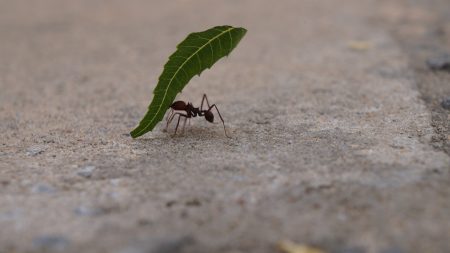
Alright, so technically, a baby ant is a larva. However, before advancing into adulthood, that little white larva will pupate.
According to modern language use, you’d call that a pupa. However, there’s an older word that has fallen out of fashion that you could as well — antling.
And frankly, that’s a much better word. Let’s bring antlings back.
2. Apes — Infant
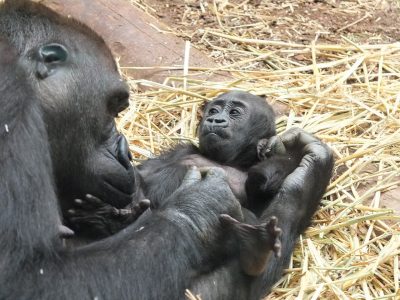
Apes, like chimpanzees or gorillas, are often more like us than we realize. As such, it only makes sense that their infants are called… Well, infants.
You might assume that a baby ape will then grow up to be a toddler. However, there are no toddler apes.
That’s because they mature so much faster than we do. Apes simply skip the toddler phase and move straight into their teenage years.
3. Echidna — Puggle
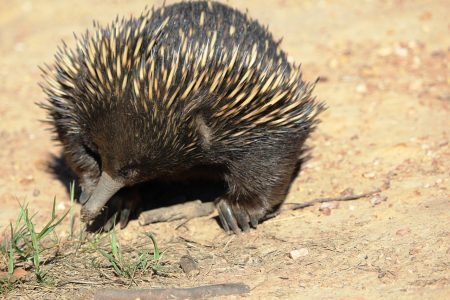
Echidnas are weird animals, being one of the very few mammals that lay eggs. It’s only logical (in a backwards fashion) that their babies are called something weird as well, like puggles.
Or would you think, “Oh yeah, that’s a puggle,” when seeing a baby echidna?
Actually, you might. Baby echidnas are called “puggles” because a biologist in the early ‘90s thought they resembled Puggle bean bag toys.
4. Hare — Leveret
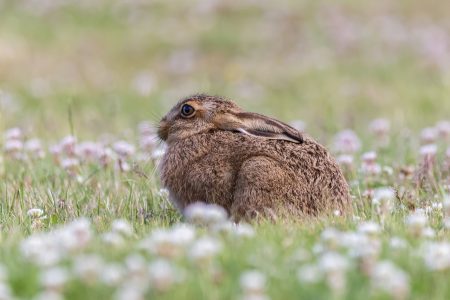
“If you see a baby hare, leave it there,” an old saying warns us. Understandably, they didn’t use the newborn critters’ actual name, because what on earth would you rhyme with “leveret?”
The saying is still true, though. Mother hares can leave their leverets alone for hours on end right after they’re born. It’s all part of their strategy of not leading predators to the vulnerable babies, so let them be.
5. Kangaroo — Joey
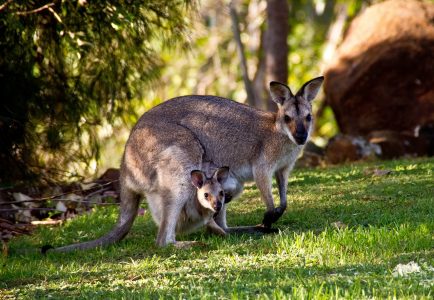
A baby kangaroo is called a joey. And so are all baby marsupials, whether they be opossums, wombats, or koalas.
It’s unclear why, though. The word “joey” was first used officially to describe baby marsupials in 1839, but no one knows where it came from.
6. Llama/Alpaca — Cria
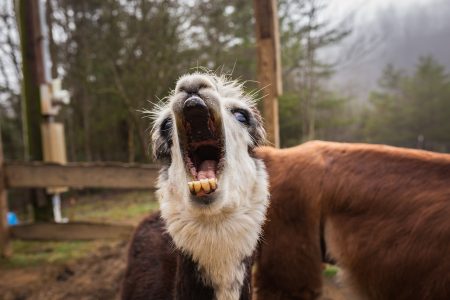
The name for baby llamas and alpacas — cria — has ancient origins. It came to English from the Spanish word “criar,” which means “to bring up” or “to nurse.”
Yet, its roots go all the way back to ancient Rome. “Criar” in its turn stems from the Latin “creare,” which means “to create” or “to birth.”
Can’t help but wonder what the native Incas called baby llamas. Anybody know?
7. Mouse — Pinky
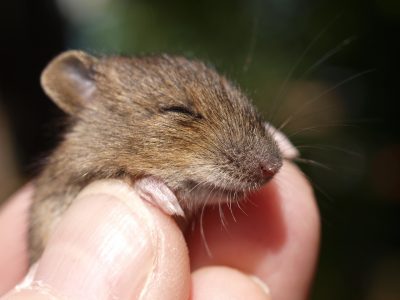
In strictly scientific terms, baby mice are pups. But there’s also another word you can use, which is pinky.
It’s much more fitting, too. Have you seen baby mice?
They sure are pink.
8. Pigeon — Squeaker
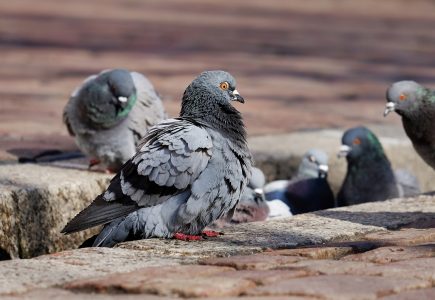
Once a freshly-baked pigeon breaks free of its egg, it’s called a squab. As it grows a bit, though, it turns into a squeaker.
Once again, that’s a very, very fitting name. If you’ve ever had pigeons build a nest by your bedroom window, you know why.
9. Platypus — Platypup
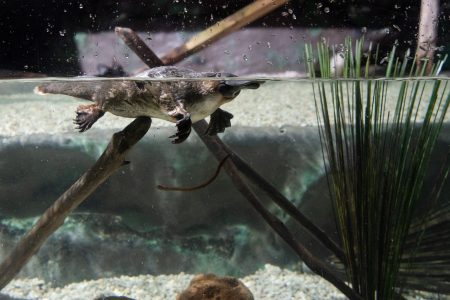
Baby platypi are often called puggles, since like echidnas, platypi also lay eggs. However, that’s not their official name, and they technically don’t have one.
However, some biologists and people who enjoy cute animal names are advocating for baby platypi to be called platypups. We fully support this endeavor.
That’s not some new-fangled internet meme, either. “Platypup” has been used since the 1940s, so it’s high time we made it official.
10. Porcupine — Porcupette
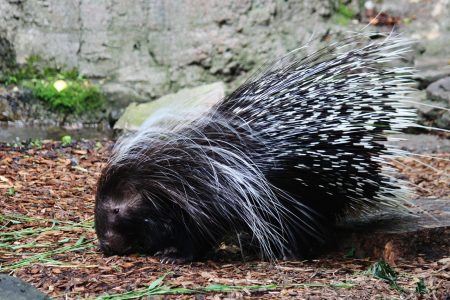
We couldn’t blame you if you heard the word “porcupette” and though somebody was talking about lady porcupines. You’d be wrong, though, since that’s what you call the babies that pop out of lady porcupines.
As a fun fact, you can (although probably shouldn’t) safely pet porcupettes. Their quills are very soft and fluffy for a few days after birth before they begin to harden.
11. Swan — Cygnet, flapper
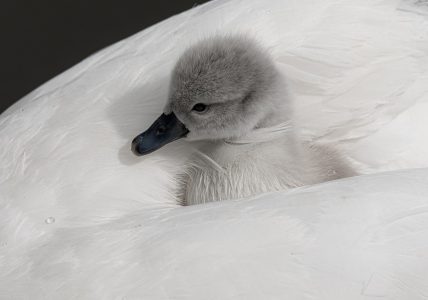
Finally, we have swans, whose babies are called cygnets. This weird word comes from Old French “cygne,” which simply means swan.
But there’s another, more English word for them, too. Baby swans can also be called flappers.
And really, you should. Not only is it more accurate, it’s also fun.