
- What color do you think a polar bear’s fur is?
Is it a bit chilly in here? Must be, because today is international polar bear day.
Large and ferocious as they might be, polar bears are an endangered species. The ice sheets they call home are rapidly melting, which has brought a world of trouble on these fascinating bears.
Protecting polar bears is important, and on this day, we should all consider whether there’s anything we can do on our part to help them. If nothing else, you can always learn a bit more about these animals.
To help you along with that, here are 11 facts both interesting and unexpected about polar bears.
1. Polar Bears Are the Biggest Bears
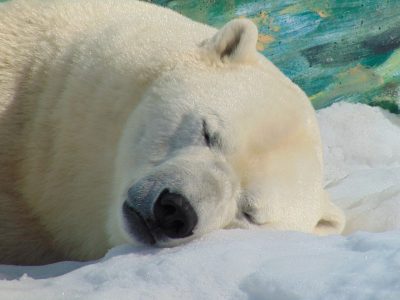
There’s no bear like a polar bear, at least when it comes to size. Polar bears are the biggest bears on the planet — and the biggest carnivorous mammals while they’re at it.
Male polar bears can grow to be more than eight feet long and weigh upward of 1,700 pounds. The females are comparative lightweights at about 6.5 feet long and 650 pounds — though that’s still a lot to bear.
2. Polar Bears Are Marine Animals
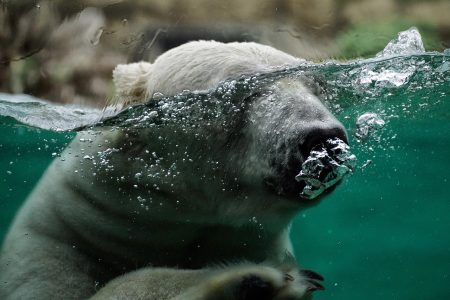
Technically, polar bears count as marine mammals. That’s because they spent most of their lives out on the ocean.
Note that we said ON the ocean, not IN the ocean. Polar bears tend to live on the frozen Arctic Ocean, but it’s still ocean, so they’re marine bears.
They’re not called Ursus maritimus for nothing, you know.
3. Polar Bears Are Champion Swimmers
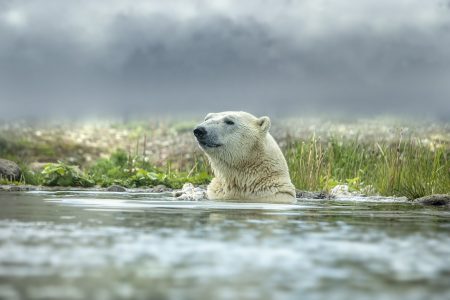
With all that said, if a polar bear does dive into the ocean, it’s not in trouble. These bears are superb swimmers.
Although they prefer briefer plunges, a polar can swim for days on end if it needs to. Not only are they long-distance swimmers, but they’re fast too, reaching swimming speeds of six miles per hour.
For reference, Michael Phelps’ average swimming speed is 4.7 miles per hour.
4. Polar Bears Have No-slip Paws
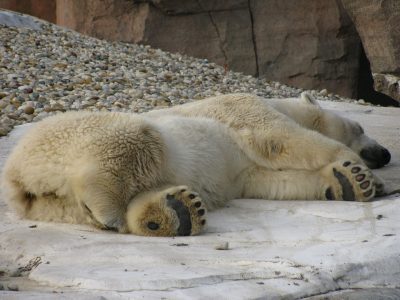
Considering how they live on ice, it’s no surprise that polar bears have some built-in slipping prevention. Their paws are covered in tiny soft bumps called papillae, that grip the ice tightly to keep the bear’s footing steady.
Basically, they wear natural ice cleats.
5. Polar Bears Have Black Skin
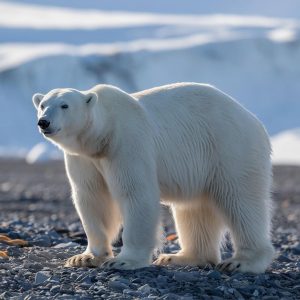
You may not have ever thought about what color a polar bear’s skin is. As such, it might surprise you that their skins are black.
There’s a good reason for that. The color black absorbs more heat radiation from the sun, which helps the bears keep warm, while also reflecting UV radiation, which helps in the shadeless frozen desert.
6. Polar Bear Fur Is Not White
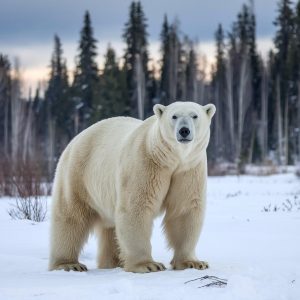
But how do the sun’s rays get through a polar bear’s thick, white fur? Easily, because a polar bear’s fur isn’t white at all.
Instead, each of its hairs is translucent, which allows sun rays to travel through them. It simply appears white because of light reflection.
7. Polar Bears Have a Ridiculous Sense of Smell
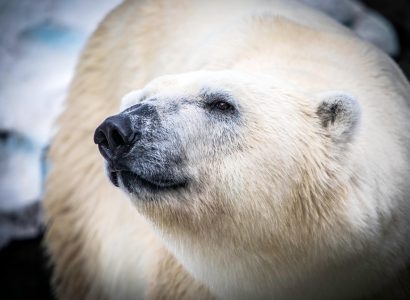
No matter how well you shower, a polar bear can still smell you. These bears have an absolutely ridiculous sense of smell.
Case in point, they can smell a tasty seal from up to 20 miles away. While the seal is under ice.
8. Polar Bears Travel — A Lot
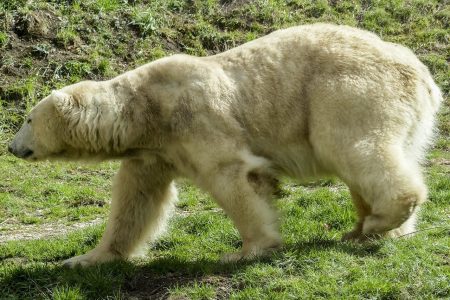
Polar bears were born to roam. There’s not much out there in the Arctic, so they must travel extreme distances to find food and shelter.
On average, polar bears wander more than 1,800 miles per month. Consequently, their home ranges can be the size of California.
9. Polar Bears Love Fat
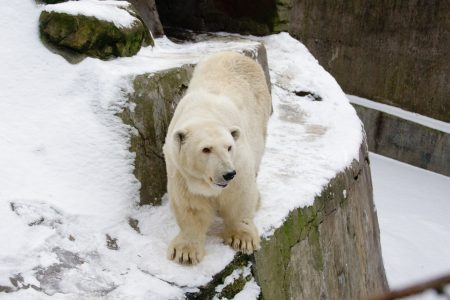
Polar bears are hypercarnivores, eating more meat than any other bear on the planet. They don’t go for a lean steak, though — polar bears love fat.
In fact, they’re so reliant on fat that their guts don’t really digest carbs or protein very well. They eat fat to the point that some scientists call polar bears lipovores, or fat feeders.
10. Hybrid Polar Bears Exist
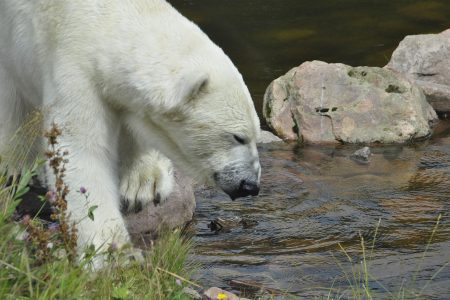
Considering where they live, polar bears don’t often meet other types of bears. When they do, though, they may decide to get freaky.
That’s why people sometimes encounter grizzly/polar bear hybrids. These combination bears are sometimes nicknamed “grolar bears” or “pizzlies.”
We bet they prefer the first name.
11. The Arctic is Named After (Polar) Bears
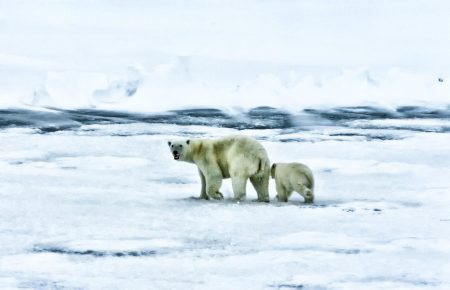
Polar bears are so iconic that the Arctic is actually named after them. The name Arctic stems from the Greek word arktikos, which means “near the bear.”
To be fair, though, the Greeks were talking about the Ursa Major and Ursa Minor constellations that appear in the north. Still, though, they chose a very fitting name for the northernmost reaches of the world.