
- If you don’t like bats, you should.
April 17 is the International Bat Appreciation Day. If you didn’t know that beforehand, you do now.
There’s a lot to appreciate, too. Not many people realize how valuable bats are to our ecosystem, as bizarre as they can be.
So, to help you appreciate bats, here are 10 strange facts about these flying critters.
1. Bats Are Not Blind
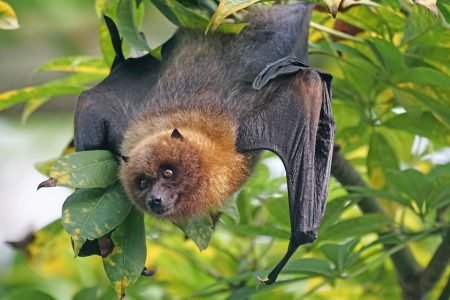
“As blind as a bat,” the famous saying goes. We’re not sure why it exists, though, because bats are far from blind.
Many bat species have extremely sharp vision. They can see particularly well in low-light environments, and some bats can even perceive color.
We suppose their famous echolocation and primarily nocturnal lifestyles make people think they don’t rely on their eyes very much.
2. Bats Are the Only Flying Mammals
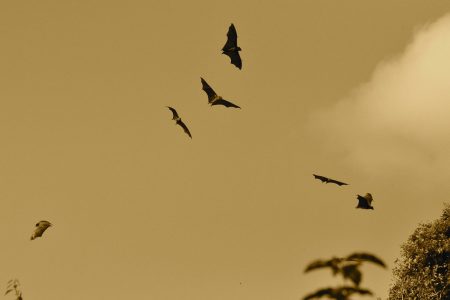
There are multiple mammals that can glide through the air, like the flying squirrel and sugar glider. However, bats are the only mammals capable of true flight.
Well, at least without an aircraft.
With that said, it’s curious that bats don’t have wings like bird do, per se. Their “wing” is just a membrane of skin stretched between their thumbs and toes.
3. A Bat is the Fastest Flier in the World
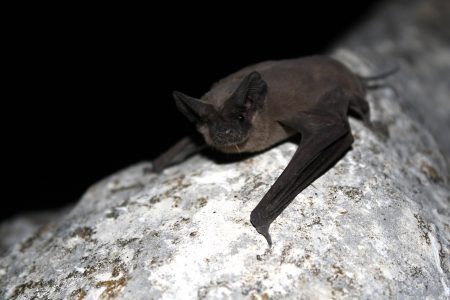
Bats are the only mammals to figure out natural flight, so it makes sense that they’d be good at it. But did you know the Mexican free-tailed bat is the fastest flier in the world?
This bat can reach a horizontal flying speed of 100 miles per hour. The peregrine falcon beats the bat in a dive, but flying horizontally, the bat’s faster.
Not only that, the Mexican free-tailed bat is also the highest-flying bat in the world. They’ve been spotted flapping along at nearly 11,000 feet.
4. Without Bats You Wouldn’t Have Bananas…
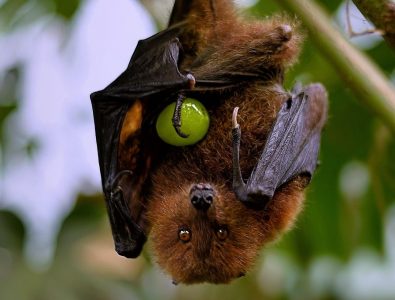
Do you like bananas? How about mangoes or chocolate? Then you have bats to thank for your treats.
The world’s more than 300 fruit bat species are vital pollinators for many plants. Whether they spread pollen by drinking the plant’s nectar or spread seeds around in their droppings, without bats, many plants would simply go extinct.
5. …And You’d Be Covered in Bugs
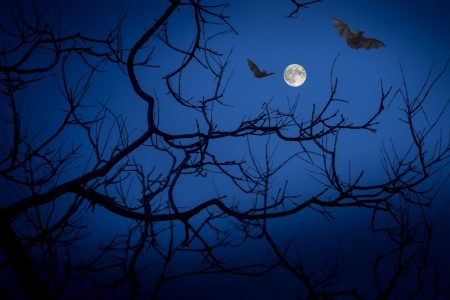
Not all bats eat fruit, and many are voracious insect eaters. Each night, they devour almost their own body weight in bugs.
Although bats don’t weigh a whole lot, that’s still thousands upon thousands of insect that they eat every night. If the bats disappeared, all those bugs would descend upon us, so be thankful.
6. Bats Can Live for Decades
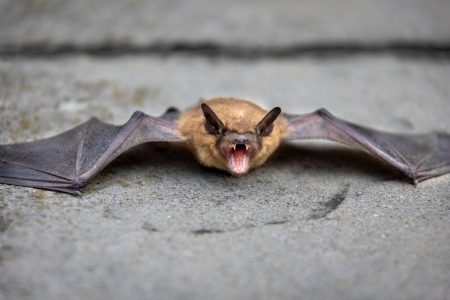
As a general rule, the smaller the animal is, the shorter its lifespan. Bats, however, have flipped this rule around.
Bats can live for a surprisingly long time. Most bats kick the bucket around 20, but the longest-living species can live to see their 40th birthday.
7. Bats Don’t Spend Any Effort Hanging Upside Down
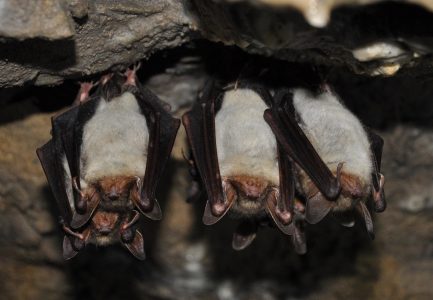
Have you ever wondered how bats sleeping upside down don’t fall to the ground? That’s because their toes curl inward when they relax.
Unlike our fingers, which straighten up when relaxed, bat toes essentially clench into a fist. As such, they can safely sleep upside down and they also don’t spend any energy holding onto their perch.
8. Female Bats Can Delay Pregnancy
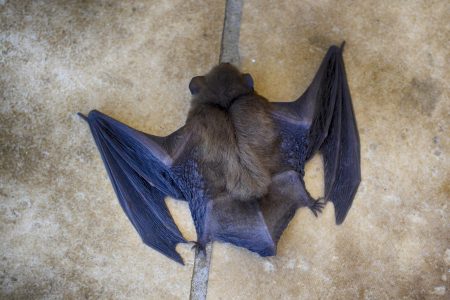
You bang, and then you get pregnant. That’s the common wisdom, but some bat ladies don’t play by those rules.
In certain bat species, the females are capable of storing sperm in their reproductive organs for up to several months. This way they can avoid getting a bun in the oven during lean seasons.
Then, when there’s plenty of food to go around, they can knock themselves up. Or not — it’s really up to them.
9. Some Male Bats Produce Milk
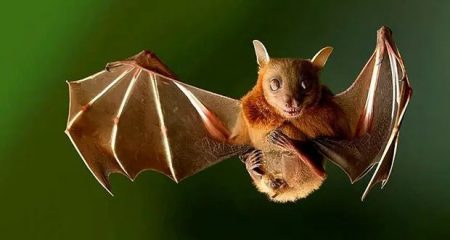
If female bats make reproduction quirky, so do the males. Dayak fruit bat males are one of the few species where the males produce milk for nursing their babies.
Then again, so do the females. It’s not clear why the males produce milk, but researchers suspect it may be beneficial for the bats to share the baby-feeding duties.
If mama’s tired, the baby can just go to dad for a drink.
10. Bats Are Threatened by a Deadly Fungus
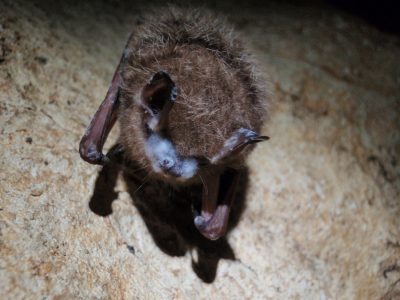
Quick, what’s a bat’s worst enemy? It’s not snakes for birds, but a fungus.
White-nose syndrome is a bat-specific disease caused by a certain fungus. It produces a white, fluffy fungal growth around the bat’s nose and wings, hence the name.
Sadly, this disease is absolutely devastating to bats. Some bat species in North America have declined by more than 90% in the last couple of decades due to the fungal infections.