
- Do you think you'll know the things on this list?
What do you know that was once surprisingly illegal? Do you think you know everything from the list?
1. Wearing Certain Clothes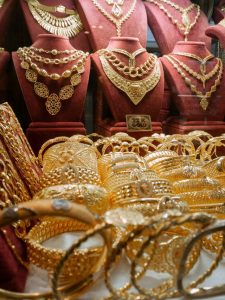
In medieval and early modern Europe, “sumptuary laws” regulated what people could wear based on social class. Certain fabrics, colors, furs, and jewelry could be restricted to nobles or wealthy citizens. The idea was to make social distinctions visible. In England, for example, legislation repeatedly attempted to control extravagant clothing and luxury consumption.
2. Christmas
Christmas was actually banned in parts of England and colonial America during the 17th century. Puritan authorities viewed Christmas celebrations as excessively associated with drinking, feasting, and practices they considered religiously inappropriate. In Puritan-controlled England, Christmas festivities were restricted during the 1640s. Massachusetts also prohibited public Christmas celebrations for a period during the colonial era.
3. Chewing Gum in Singapore
Singapore became famous for its strict regulations surrounding chewing gum. In 1992, the importation of ordinary chewing gum was banned after concerns about litter and damage to public infrastructure, including gum being placed on train doors and sensors. The rules were later relaxed somewhat for therapeutic and dental gum, but ordinary chewing gum remained heavily restricted for import and sale.
4. Playing Football in the Streets
In medieval England, authorities repeatedly attempted to restrict or ban forms of football played in public spaces. The games could become enormous, violent affairs involving entire communities. Kings and local officials sometimes considered them disruptive and dangerous, particularly when they interfered with work or military training. Edward II issued a proclamation against football in London in 1314.
5. Wearing a Mask in Public
In some places and periods, appearing in public while masked was prohibited or heavily restricted. The reasoning varied from preventing crime to maintaining public order. Venice, for example, developed elaborate traditions surrounding masks during Carnival, but authorities periodically imposed restrictions because masks could conceal identities and facilitate criminal or politically sensitive behavior.
6. Importing Certain Books
Governments have repeatedly banned books considered politically, religiously, or morally dangerous. In Nazi Germany, authorities organized public book burnings and prohibited works by Jewish, socialist, communist, pacifist, and other targeted authors. The Soviet Union also maintained extensive censorship and prohibited numerous works. A book could therefore become contraband simply because of who wrote it or what ideas it contained.
7. Dancing
Dancing has been restricted or prohibited at various times for religious, moral, or political reasons. In some American communities during the 19th and early 20th centuries, local authorities regulated dances, especially those involving alcohol or mixed-sex gatherings. During periods of religious revival, certain forms of dancing were condemned as immoral.
8. Selling Margarine Without Restrictions
This one sounds less dramatic, but it produced surprisingly intense legislation. In the United States and Canada, dairy producers pushed for strict regulations on margarine because they viewed it as unfair competition for butter. Some jurisdictions required margarine to be artificially colored, restricted its sale, or imposed special taxes. In some places, restaurants and households had to follow specific rules about how the product could be served.
9. Fortune-Telling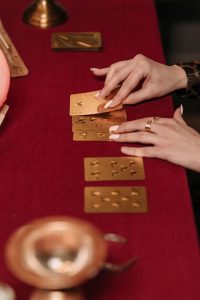
Fortune-telling, astrology, and related practices have been restricted by law in various jurisdictions, sometimes under laws aimed at fraud or obtaining money through deception. In some historical periods, authorities also treated divination as a threat to religious or political order. Laws varied enormously by location, meaning a practice considered harmless entertainment in one place could be treated as a criminal offense elsewhere.