
- What kind of day jobs would you think big historical figures have had?
Do you know about these historical figures with oddly ordinary day jobs? Like a future (tall and lanky) president as a wrestler?
1. Abraham Lincoln — Wrestler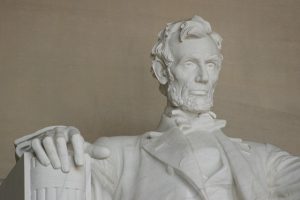
Before becoming president, Abraham Lincoln worked as a shopkeeper, surveyor, postmaster, and lawyer. He also developed a reputation as an unusually capable wrestler. Lincoln reportedly had around 300 matches and lost only once in a clearly documented contest. His strength and long reach made him a formidable opponent, and he was eventually inducted into the National Wrestling Hall of Fame.
2. Vincent van Gogh — Teacher and Preacher
Van Gogh didn’t immediately become an artist. Before dedicating himself to painting, he worked as an art dealer, teacher, and missionary. He spent time preaching to impoverished coal miners in Belgium and lived extremely simply among them. His early attempts to become a religious worker ultimately failed, but his experiences with poverty and working-class communities later influenced his artistic subjects. What do you think of this as one of the oddly ordinary day jobs?
3. George Orwell — Imperial Police Officer
Before writing 1984 and Animal Farm, George Orwell worked for the Indian Imperial Police in Burma. His experiences there profoundly affected his views of colonialism and political power. He eventually resigned and returned to Europe, where he pursued writing. The police career seems particularly surprising in retrospect because Orwell later became one of the most prominent literary critics of authoritarianism.
4. James Joyce — Singing Teacher
The Irish novelist James Joyce is celebrated for radically experimental literature, but he also worked as a singing instructor. Joyce was an enthusiastic singer himself and had a strong interest in music. He gave private English lessons and singing instruction while living abroad, helping support himself during years when his writing provided little financial stability. What do you think of this as one of the oddly ordinary day jobs?
5. Franz Kafka — Insurance Employee
Kafka spent much of his working life in insurance offices, despite becoming one of the most influential writers of the 20th century. He worked for several insurance organizations in Prague and wrote much of his fiction outside working hours. The strange bureaucracy of his professional environment has often been compared with the oppressive, bewildering systems that appear throughout his fiction.
6. Margaret Thatcher — Chemist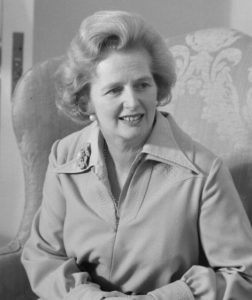
Before becoming Britain’s first female prime minister, Margaret Thatcher trained as a chemist at Oxford and worked as a research chemist. She later studied law and became a barrister before entering politics. Her scientific background was therefore part of her life long before she became one of Britain’s most consequential political figures. What do you think of this as one of the oddly ordinary day jobs?
7. Anthony Trollope — Postal Worker
Victorian novelist Anthony Trollope worked for the British Post Office for more than three decades. He famously maintained a strict writing routine and wrote for a set period every morning before going to work. He eventually became one of Britain’s most productive novelists while maintaining a conventional government career alongside his literary one.
8. H. G. Wells — Draper’s Assistant
Before writing The Time Machine and The War of the Worlds, H. G. Wells worked in a draper’s shop after leaving school. The job was not glamorous, but Wells later used his experiences of poverty and the British class system in his fiction. His career eventually moved from shop work to teaching, journalism, and finally international literary fame.
So what did you think of these oddly ordinary day jobs? Tell us what surprised you in the comments!