
- Do you think you know what's on this list of absolutely wild things?
Do you think you know these not fun facts about asylums? There are such crazy stories about the mental health field.
- “Treatment” could involve spinning patients around. Some doctors believed rapidly rotating a person in a chair could reset the brain and cure mental illness.
- Ice baths were used as psychiatric treatment. Patients might be submerged in
 extremely cold water because doctors believed shock could restore mental balance.
 - Some patients were restrained for hours or even days. Straitjackets, leather restraints, cuffs, and specialized beds were used, particularly when staff considered someone dangerous. Do you think this is one of the most wild not fun facts about asylums?
- Some asylums had their own farms. Patients were expected to work growing food, tending animals, cleaning buildings, or maintaining grounds. Doctors sometimes considered labor therapeutic.
- Patients could make their own clothes. Large institutions sometimes operated workshops where residents produced clothing, furniture, shoes, and other goods.
- Some asylums functioned like miniature towns. Huge institutions could contain kitchens, laundries, workshops, farms, churches, theaters, libraries, hospitals, and even their own cemeteries.
- Victorian asylums sometimes held dances. Despite the grim reputation, some institutions organized concerts, theatrical performances, parties, and dances for residents.
- There were asylum newspapers. Some institutions published newspapers written partly by patients, featuring poems, stories, jokes, artwork, and reports about institutional life. Do you think this is one of the most wild not fun facts about asylums?
- Patients sometimes created incredible artwork. Art produced inside psychiatric hospitals has become historically important, particularly work later associated with “outsider art.”
- Doctors used bloodletting. In earlier periods, physicians sometimes believed mental disturbance resulted from an imbalance of bodily fluids, leading them to remove blood.
- Leeches were sometimes involved. Because bloodletting remained medically accepted for centuries, leeches could be used as part of treatments for various conditions, including ailments associated with mental disturbance.
- Some doctors literally drilled holes into skulls. Trepanation was an ancient
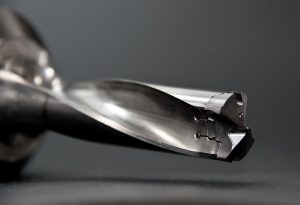 practice that continued in various forms into modern medical history, although it was not a standard treatment for most psychiatric patients. Do you think this is one of the most wild not fun facts about asylums?
 - Electroconvulsive therapy came much later. The terrifying-looking electrical treatments associated with old psychiatric hospitals were real, but ECT was introduced in the 1930s—not during the Victorian era.
- Before modern psychiatric medication, doctors experimented wildly. Treatments included sedatives, stimulants, hypnosis, prolonged sleep, hydrotherapy, and various chemical substances.
- Some institutions had enormous underground systems. Service tunnels, tunnels connecting buildings, basements, and hidden maintenance areas could make enormous asylum complexes feel like underground cities.
- Asylums sometimes had cemeteries because patients stayed for decades. People who died without family claiming them could be buried on institutional grounds. Do you think this is one of the most wild not fun facts about asylums?
- Some cemeteries have thousands of unidentified graves. In certain institutions, records were incomplete or graves were marked only with numbers rather than names.
- “Bedlam” was a real place. Bethlem Royal Hospital in London became so notorious that its name eventually became synonymous with chaos and madness.
- The infamous “Utica crib” existed. This was essentially a wooden bed or box
 designed to restrict a patient’s movement. It was used in some American institutions during the 19th century. Do you think this is one of the most wild not fun facts about asylums?
 - Visitors could once pay to see patients. At Bethlem, members of the public historically visited the institution as a form of entertainment, essentially treating patients like a spectacle.
What do you think of these not fun facts about asylums? Tell us what you think in the comments.