
- It wasn't all rainbows and butterflies when it came to children's toys.
Do you know about children’s toys when they first came out? Here are some facts about the dark history you may have never known.
- Mass production during the Industrial Revolution prioritized cost over safety, leading to poorly constructed toys that broke easily.
- Some older crib toys and mobiles had long strings or cords, creating strangulation risks.
- Some toys were designed to enforce early discipline or behavior control rather than exploration and play.
- Despite improvements, disparities in regulation and enforcement mean not all toys on the global market are equally safe.
- Baby jumpers and activity devices have also raised safety questions when used improperly or excessively.
- High-profile toy recalls in the 2000s revealed ongoing issues with lead contamination in imported toys.

- Historically, there was little oversight of toy safety until organizations like the U.S. Consumer Product Safety Commission began enforcing regulations.
- Certain toys have been recalled for sharp edges or detachable parts that caused injuries.
- In the Victorian era, toys were not always designed specifically for safety; miniature objects could easily become choking hazards.
- Overreliance on toys for development can overshadow the importance of human interaction and play.
- The push for constant innovation sometimes prioritizes novelty over proven safety and developmental value.
- Loud toys can exceed safe noise levels, potentially affecting infants’ hearing over time. Did you know this about children’s toys?
- Cultural biases appeared in dolls and toys, reinforcing narrow or harmful stereotypes from a young age.
- Some teething toys were filled with substances like mercury or alcohol-based liquids to soothe gums, posing hidden dangers.
- Marketing pressure has sometimes led parents to buy more toys than necessary, contributing to consumerism and waste.
- Certain historical dolls had unsettling features, including
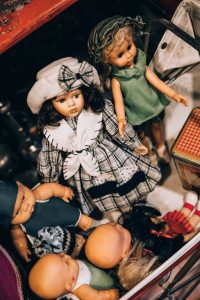 overly realistic or fragile designs that could frighten children.
 - Early rubber toys sometimes contained harmful chemicals due to unrefined manufacturing processes.
- Many toys are designed with short lifespans, breaking quickly and ending up in landfills.
- Toy advertisements sometimes made exaggerated or misleading claims about developmental benefits.
- The global toy supply chain has, at times, involved exploitative labor practices, including underpaid or unsafe working conditions.
- Lead-painted toys in the 19th and early 20th centuries exposed infants to toxic substances, sometimes causing serious illness or developmental harm.
- Some “educational” toys have little proven benefit, despite strong marketing claims. Did you know this about children’s toys?
- In earlier decades, flammable materials were sometimes used in plush toys and stuffing.
- Walkers, once considered helpful, have been linked to injuries and developmental concerns, leading to restrictions in some countries.
- Some toys were intentionally designed to quiet babies, not engage them, reflecting a focus on convenience over development.
- Counterfeit toys still pose risks today, often bypassing safety standards and regulations.
- Electronic toys raise concerns about data privacy when connected to apps or the internet.
- Cheaply made toys in some global markets have been found to contain toxic paints or unsafe materials even in recent decades.
- Overstimulating toys with excessive lights and sounds may interfere with attention development in very young children.
- Many early baby toys were made from unsafe materials like lead, which was commonly used in paint and metal components before regulations improved.
- Toy safety standards often evolved only after incidents or injuries highlighted the risks. Did you know this about
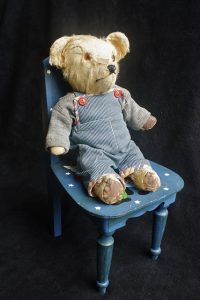 children’s toys?
 - Battery-operated toys introduced risks such as battery leakage or ingestion of small button batteries.
- Button batteries, in particular, can cause severe internal injuries if swallowed, making them one of the more dangerous hidden hazards.
- Before strict regulations, toy recalls were rare, even when products caused harm.
- In the early 20th century, some toys were marketed with little understanding of child psychology or development.
- The rise of plastic toys introduced concerns about chemicals like BPA and phthalates, especially in items babies chew on.
Did you know these dark history facts about children’s toys? Add something that’s not on the list into the comments!