
- If you can imagine it, you have to pay a tax for it.
Tax season is once again in full swing. While filling out your tax return, you might grumble about all the things you have to pay tax on.
But believe us, it could be a lot worse.
Absolutely mind-boggling things have been taxed in the past, and still are in some corners of the world. We’ve touched on this subject in earlier articles, but it’s such a goldmine that it’s worth taking another look.
Here are nine more odd things that used to be—and still are—taxed.
1. Watching TV

Watching TV here in the U.S. is easy: buy a TV, bring it home, pay for the cable or streaming services you want, and watch to your heart’s content. But in some European countries, like the U.K., Germany, and Finland, you also have to pay for a TV license.
This payment essentially amounts to a tax on your TV. If you have a television set (or in some cases, any device that can receive publicly funded broadcasts), you must pay an annual fee or potentially face fines.
The logic behind the fee is that funds the national public broadcaster, like the BBC. It can be hot-button issue, though, as sometimes only a pittance of the money actually goes to the broadcaster.
Also, it turns out that people really don’t like paying a license to have a TV.
2. Salt

Having to pay some kind of VAT when buying salt isn’t that weird. However, how salt was taxed reached the pinnacle of ridiculousness in pre-revolutionary France of the 17th and 18th centuries.
Not only did people have to pay a tax for the salt that they had in their pantries. They were also legally obligated to buy their salt at an exorbitant price from government-run warehouses or face severe punishment.
To add insult to injury, the taxes weren’t equal. The farther away you lived from the sea, the more you had to pay.
France’s salt tax was so unpopular that it was one of the main sparks that ignited the French Revolution.
3. Cowardice
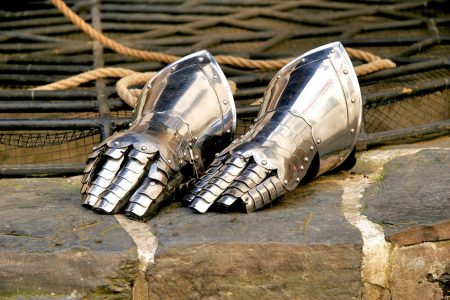
In medieval England, a knight’s duty was to own land and go fight for his king when called upon. But what if the knight just didn’t feel like going and dying in one of the period’s endless conflicts?
Well, he could pay scutage. Essentially, for paying enough money (and possibly sending some poor schmuck to fight in his place), a knight could skip a military campaign and stay at his estate.
While the practice was legal at the time, it wasn’t always particularly well-liked. After all, paying scutage was often called a “coward’s tax,” which should give you an idea of its reputation.
4. Being Religious
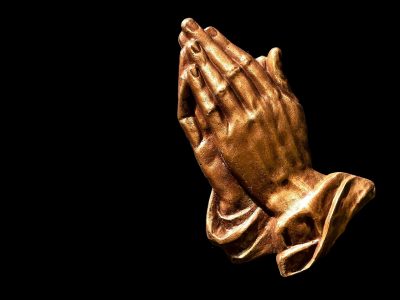
If you’re religious, it’s normal to want to make an occasional donation to your religious institution. In many countries around the world, such as in Europe, being religious comes with an official tax.
How these “church taxes,” as they’re popularly called, work can vary pretty wildly between countries. In essence, though, if you list a religious affiliation in the census, you’ll be charged an additional tax that goes to your church, mosque, synagogue, or whatever else you might belong to.
You might think you can skirt this tax by officially listing yourself as “unaffiliated” or “irreligious” and still go to church. However, most countries will compare census data against church membership lists, and you might have to pay back taxes if they catch you.
5. Male Servants

In the 1700s and 1800s, no respectable house in Great Britain was without its servants. However, the country was at the time caught in several wars and in sore need of money and bodies to feed into the grinder.
And that’s how we got the tax on male servants, or “gentleman’s tax.” For each non-essential luxury male servant (think butlers, valets, or gardeners), the household had to pay an increasing tax.
The state caught two birds with one stone. With fewer males getting hired as servants, they enlisted in the military. Meanwhile, rich households that wanted to keep their servants contributed more money for the war effort.
6. Shade

Italy has a whole slew of strange taxes, but perhaps the weirdest is the country’s shade or shadow tax. If you put up anything that casts a shadow on public property (like streets or parks), you’ll have to pay for each square meter of shade.
In practice, this tax is rarely collected. First, it’s unclear what types of structures you should pay for, as balconies, for example, are exempt. Additionally, collecting the tax is up to each municipality, so there are no guidelines on how much people should pay.
But still, the tax technically exists.
7 Bachelorhood

Being a dashing, eligible bachelor has historically been expensive. Various empires, kingdoms, and states throughout history have taxed men for not settling down and starting a family.
During Emperor Augustus’ reign in ancient Rome, unmarried men aged 38 or older had to pay an extra tax. What’s worse, they weren’t allowed to attend public games, like gladiator fights.
In England, the parliament enacted a bachelor tax in 1695. If a guy hadn’t married and produced a child by 25, there was a tax for that.
The Soviet Union, meanwhile, taxed single men in an attempt to increase the country’s population. That said, in the spirit of socialist egalitarianism, the Soviets taxed all the single ladies, too, so you really should’ve put a ring on it.
8. Human Urine

Not only did the Roman Empire tax bachelors, but they also taxed urine. For every ounce of human pee collected from public toilets, the collector had to pay a tax to the emperor.
This gross tax was first put in place during the reign of Emperor Nero, but it was quickly repealed due to being unpopular. Yet, Emperor Vespasian re-enacted it in 70 CE, famously quipping, “Pecunia non olet,” or, “Money doesn’t stink.”
But why on earth were the Romans collecting pee? Believe it or not, it was an incredibly valuable commodity in Rome, used for everything from curing leather to brushing your teeth.
If you really want to learn more about this topic, read our list of 8 strange uses for pee (both human and animal).
9. Pretty Much Everything
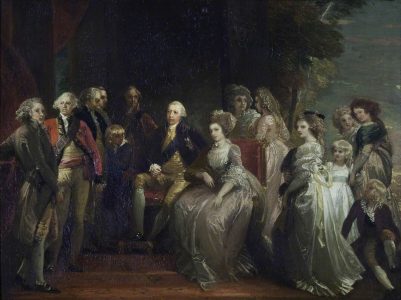
We said earlier that Great Britain in the Georgian Era (1714 to 1837) was hurting for cash so badly that it taxed people for having servants. But that wasn’t the only thing the government taxed.
In fact, in the aftermath of the American Revolution, the Jacobite Rebellion, the Anglo-French War, and the War of 1812, England was so broke that it started taxing virtually anything imaginable.
You had to pay for every brick and window in your house. If you wanted soap to clean yourself, its price practically doubled after paying the soap taxes.
Own a clock? There’s a tax for that. Wear a hat? You bet there’s a tax for that.
For more harebrained taxation, check out our previous list of 8 bizarre things that were (and are) taxed. We’ve waived the Oddee Content Viewing Tax for this one.