
- From pineapples to fart filters, it doesn’t matter how weird it is as long as it costs a lot of money.
If you got money and you know it, then you really ought to show it. If you got money and you know it, buy something outlandish and ridiculously expensive.
Throughout history, those with the means and power have always wanted to show that they have it all. Usually, this has taken more or less understandable forms, like building fabulous mansions, dining on the finest delicacies, and so forth.
Yet, rich people with more money than sense have also splurged on completely harebrained accessories, gadgets, and decorations. Often, these strange objects resolved a problem stemming from the high society’s unusual customs and fashions. Other times, they had no other purpose than to cost a lot of money to signal that you can afford them.
Here are nine bizarre accessories and gadgets the aristocrats and wealthy people of the past used to signal that they were just better than you.
1. Powdered Wig Scratcher
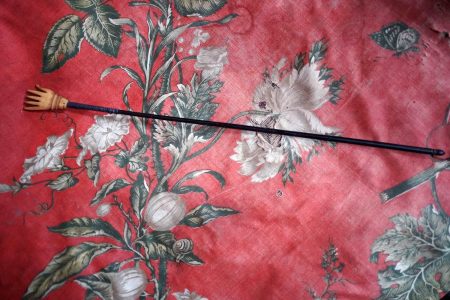
In the 17th and 18th centuries, towering and elaborate powdered wigs were all the rage among the wealthy. There was just one problem: made of human or horse hair, the warm, dry wigs were a paradise for itchy lice.
Well, if you have an itch, you must scratch it. But you couldn’t scratch your head with your own fingers — that’s for peasants.
So, every gentleman’s must-have accessories included a wig scratcher. It was essentially a long stick, often with a hand-shaped tip, that they could use to dig into the deepest crevices of their lice-infested wigs.
So fancy.
2. Niagara Rocking Bath
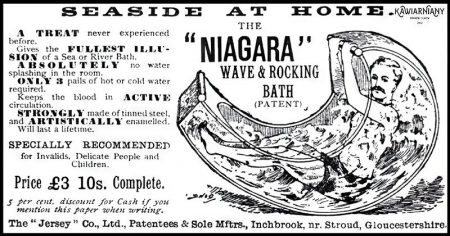
Swimming and bathing in a river is one of those summertime joys that everyone loves. But the wealthy can’t go to the river, since it’s oh-so dirty and they might have to interact with the rabble.
So, in 1876, an enterprising company in England introduced the Niagara Wave & Rocking Bath. This curved bathtub allowed you to rock it back and forth to simulate the waves of a river or lake.
But how do we know this weird contraption was for the well-to-do? We can just look at the ads of the time, which show it selling for 3 pounds and 10 shillings.
That’s more than $450 in today’s U.S. currency.
3. Pineapple

Believe it or not, the humble pineapple was the ultimate status symbol of the 17th century. European aristocrats in England and France went goo-goo-ga-ga over this exotic fruit.
They wouldn’t eat them, though. At the time, pineapples were so rare and expensive that simply having one sitting on your table (even it the thing was in advanced stages of decomposition) showed that you were the cock of the walk.
But what if you were rich, but not so rich that you could afford your own pineapple? Why, simply rent one! We’re serious — party organizers would rent pineapples to their clients so that they could have the coveted fruit on their dinner table.
4. Ventilated Top Hat

Nothing says “Victorian gentleman” quite like the top hat. The problem with this tall headwear was that all the vacant space inside it warmed up with your body heat, making them uncomfortable to wear on anything but mildest days.
So, in 1849, tailor John Fuller & Co invented the ventilated top hat. It featured discreet vents that, in theory, allowed air to circulate, keeping the wearer’s head cool.
In practice, though, the vents didn’t really do squat. If anything, the vent structure made the hat heavier (and therefor even more uncomfortable) and more expensive with no added benefit.
5. Stamp Licker
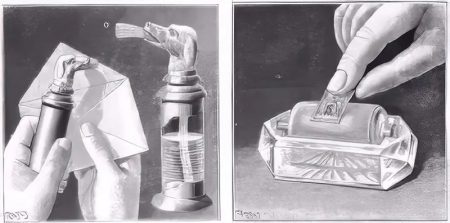
Before the advent of self-adhesive stamps, you had to lick them to attach them to an envelope. But sticking your tongue out isn’t something a civilized person should do in any situation.
This attitude brought us the stamp licker. These gadgets would feature some kind of moistened surface that you could dab a stamp on and avoid licking it.
Now, postal workers, clerks, and other professional used humble, simple stamp lickers simply to avoid drying their tongues to crisp by licking endless stamps. The fancy folk, however, turned them into pointlessly expensive and elaborate devices.
For instance, one stamp licker was shaped like a dog’s head, and you would swipe the stamp on its tongue. That one’s actually kind of cute.
6. Overly Elaborate Snuff Boxes
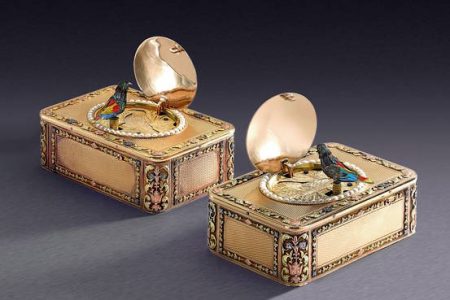
Speaking of unnecessarily expensive things, how about fine ladies’ snuff boxes? It wasn’t acceptable for women to smoke back in the day, but since they couldn’t live without nicotine, they’d sniff snuff, which they kept in small boxes.
Of course, no ordinary wooden box would do. These things could get ridiculously ornate and elaborate for no other reason that to cost money.
And we’re not just talking about embedded jewels and gold filigree, either. The ladies would have craftsmen embed clocks into their snuff boxes or even music box systems that played a tune when the lid was opened.
7. Servant Calling System
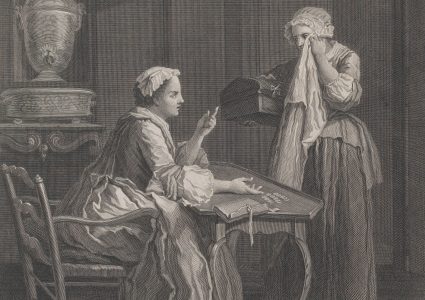
As their chateaus and mansions grew, the high and mighty ran into an unexpected problem — when they needed something done, their servants were nowhere to be found. So, they started coming up with increasingly outlandish servant calling systems.
At their simplest, they might just ring a bell, but that sound can only carry so far. In the largest of mansions, the owner would implement communication systems operated by hanging ropes in each room.
The ropes were further connected to a series of cables running in the walls. By pulling a rope, a bell would ring or a sign flip in the servants’ quarters to inform them it was time to get to work.
8. Cabinet of Curiosities
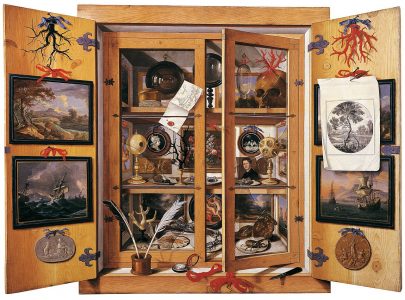
Cabinets of curiosities from the 17th century were exactly what they sound like. They would house their owner’s collection of rare and wonderful things, like fossils, ancient relics, and preserved mermaids.
The things weren’t always just cabinets, though. Those with the means might dedicate a whole wall or an entire room to their collections of weirdness to show how wealthy, educated, and well-traveled they were.
It’s not all bad, though. Thanks to extravagant collectors back in the day, we now have many fantastic objects in museums that might’ve otherwise been lost to time.
9. Vanvera
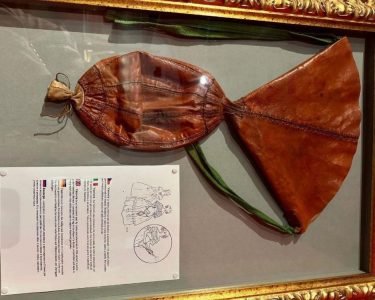
If there is one thing an aristocrat should never, ever do, it’s pass gas. The fact is that everybody farts, but the aristocrats of yesteryear would certainly go to great lengths to make it seem that they didn’t.
Helping them in their task were the vanvera. This name was associated with devices of various contraptions intended to hide flatulence.
One surviving example of a women’s vanvera from 17th-century Venice consisted of a funneled leather bag that a lady would wrap around her buttocks under her skirt. If she tooted, the foul emanations would be trapped in the bag and she could then later release them in privacy (or that was the idea at least).
Other vanvera might consist of a box or bag filled with aromatic herbs placed in the underwear to act as a fart filter. They were less popular, though, since although they hid the smell, they did nothing about the sound of a fart.
Even farting in bed was considered unacceptable. Some aristocrats would wear special underwear with a pipe or tube guiding their gastrointestinal gases out the window.