
- Go see some animals you may not get a chance to see again.
Zoos are great places to see exotic animals, and many of them do important work for helping vulnerable animal species. That said, they can get a bit old, with the same turtles, penguins, and whatnot.
Seeing truly rare animals in zoos is a fascinating treat. The problem with that, though, is that finding the zoos that host the critters can be difficult.
To help you along, we compiled this list. Here are nine of the rarest animals you can see in zoos and where you can find them.
9. Manta Ray
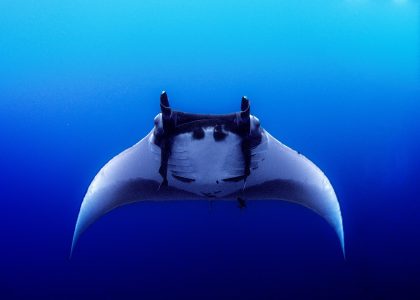
Where to See It: Georgia Aquarium
Manta rays are ethereal, majestic, and a little bit creepy giant rays found swimming in warm oceans all around the world. There are very few of them in aquariums and zoos, however, because… Well, they’re giant.
Only four facilities worldwide have tanks big enough to house a manta ray. For Americans, the most convenient place to see one is at the Georgia Aquarium.
The Georgia Aquarium has four of the flat fish swimming around in a ginormous six-million-gallon tank. Apart from Georgia, mantas are also on display in Okinawa, the Bahamas, and Singapore.
8. Numbat
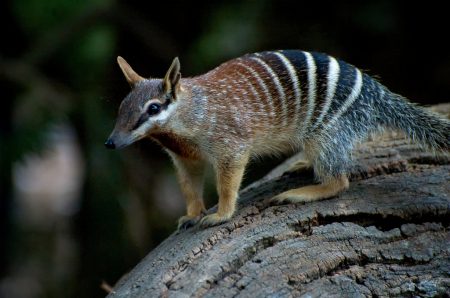
Where to See It: Perth Zoo
What the heck is a numbat? Well, it’s a small marsupial that used to be common in southern Australia but has become endangered.
To help the little things out, the Perth Zoo runs the world’s only numbat breeding program. With the zoo’s help, the numbat have been able to get their freak on and their offspring have been reintroduced into areas from which they’ve already disappeared.
The numbat continues to face threats in the wild, but thanks to Perth Zoo, they’re still in the fight.
7. Somali Wild Ass
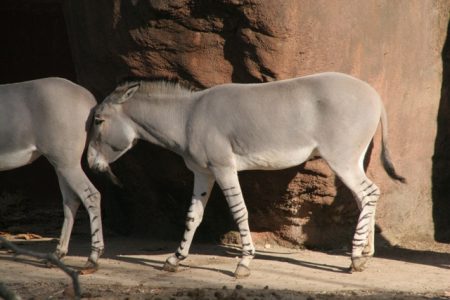
Where to See It: San Diego Zoo
A Somali wild ass is a truly marvelous sight. Oh, stop snickering.
These critically endangered wild donkeys sport zebra-like stripes on their legs (they are related to zebras, after all). They live around the Horn of Africa, but there are less than 1,000 of them left in the wild.
Fortunately, several zoos around the world host the rare equines and are working on boosting their numbers. The San Diego Zoo has the largest Somali wild ass herd in the U.S., but you can also find them at the Henry Vilas Zoo, among others.
6. Blue-crowned Laughingthrush
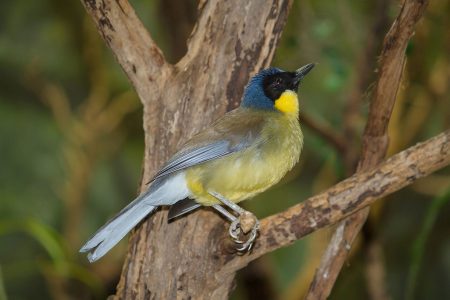
Where to See It: Riverbanks Zoo and Garden
The blue-crowned laughingthrush is a unique bird in the sense that it came back from the dead. This yellow Chinese bird was thought to have gone extinct in the wild in the 1950s until a small population was rediscovered in 2000.
However, there are still fewer than 200 of them left. As with many other critically endangered animals, breeding programs are in full swing at 60 zoos.
In the U.S., you can find the blue-crown laughingthrush at the Riverbanks Zoo and Garden in South Carolina.
5. African Painted Dog
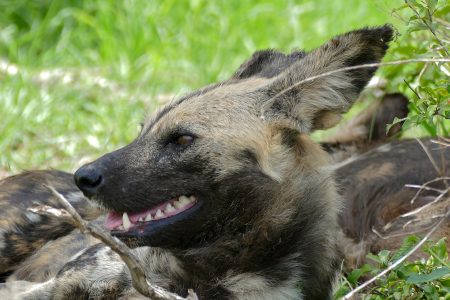
Where to See It: Cincinnati Zoo
African painted dogs (also known as African wild dogs) are the largest wild canines in Africa. They’re extremely social animals with complex behaviors. There’s a good reason for that — with the entire pack participating, the success rate of their hunts stands at around 90%.
Yet, they’re facing extinction, with only about 6,500 of the pooches remaining in the wild, of which only about 1,400 are adults. So, once again, zoos are stepping in to help them out.
The wild dogs have even crossed the Atlantic. You can find them at the Cincinnati Zoo and witness how a mother dog feeds its pups by puking in their mouths. Endearing, if disgusting.
4. Panamanian Golden Frog
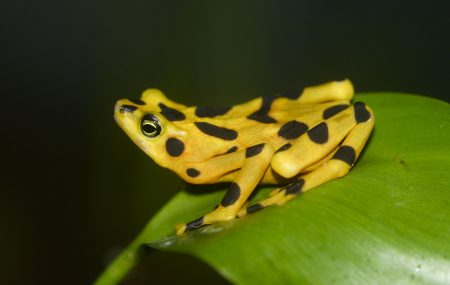
Where to See It: Maryland Zoo
If you’d like to see a Panamanian golden frog, don’t go to Panama. Despite being a token of good luck to native inhabitants, these unlucky amphibians are probably long gone in the wild.
Don’t count them out of the race just yet, though. The Maryland Zoo in Baltimore was the first facility that successfully bred the frogs in captivity.
Although the zoo has since distributed the frogs’ offspring to several others, the original population still lives there. Fortunately, the frogs seem to thrive in the decidedly non-tropical Maryland.
3. Red Uakari
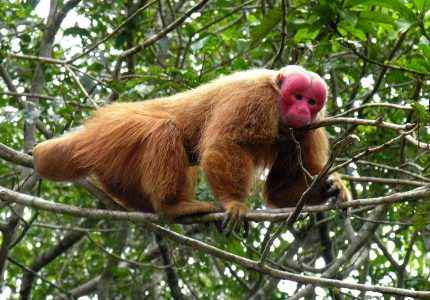
Where to See It: Los Angeles Zoo
The red uakari is… Look, we’re sorry, but it’s kind of ugly. These bald-headed monkeys from the forests of Brazil and Peru constantly look like someone embarrassed them really badly.
Although they are threatened by habitat loss, the monkeys are doing comparatively well in the wild. They’re a very rare sight in zoos in North America, though, because there’s exactly one of them.
The single red uakari in North America is Daisy, who lives at the Los Angeles Zoo. Go say hi to her — the girl would probably like some company.
2. White Alligator
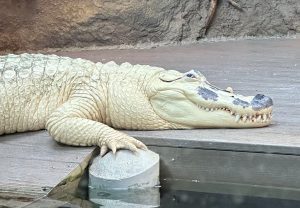
Where to See It: Aubudon Nature Institute
Technically, a white alligator isn’t anything special — it’s just an alligator. However, the genetic mutation that turns them white is rare indeed.
The two white alligators at the Aubudon Nature Institute aren’t albinos, though. They have a condition called leucism that turns their scaly skin white and gives them deep blue eyes.
As we said, the condition is rare, but it’s hard to determine any occurrence rates for it. That’s because white baby gators usually get eaten quickly as they’re unable to hide very well.
1. Amazon River Dolphin
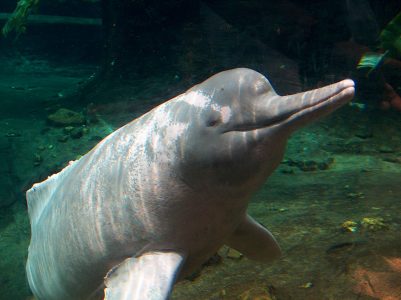
Where to See It: Zoologico de Guistochoca
Zoologico de Guistochoca in Peru is the only place in the world where the endangered Amazon river dolphin still lives in captivity. Although hundreds of dolphins were shipped to zoos worldwide between the ‘50s and ‘70s, only this individual remains alive today.
The river dolphins do still exist in the Amazon River, but they’re not doing very well. They’re threatened by everything from pollution to damming and getting accidentally caught in fishing equipment.
If you want to see one of these rare dolphins, you might want to book a flight to Peru. Otherwise, you may miss your chance.