
- Ah, the good old times — or not.
A lot of the negative stories you hear about historical eras are blown completely out of proportion. People tend to exaggerate how horrible life was in the past to make the time they live in seem like the pinnacle of civilized society.
And then there are those stories that are absolutely true. Whether people didn’t know what they were doing or just didn’t care, some things from the past were just pretty objectively disgusting.
Here are six ancient habits and practices you can’t really argue weren’t completely gross.
1. Leeches for What Ails You

Got a headache, a fever, or something even more serious? Nurse, we need big, fat leeches — stat!
Covering sick people in leeches sounds like something a sadistic villain from a horror movie might do. But the fact is that it was an accepted medical practice for centuries.
You see, before doctors knew about stuff like germs and viruses, they believed many illnesses were a result of an imbalance of the humors — the four vital bodily fluids. One of them was blood.
People genuinely thought you could get sick from having too much blood in your body. The prevailing theory was the leeches would suck out the excess, bringing your body to balance.
The alternative was to just open an artery and let you hemorrhage for a while. We’re not sure which of these options we’d rather go for.
2. Dentures Made with Dead Peoples’ Teeth
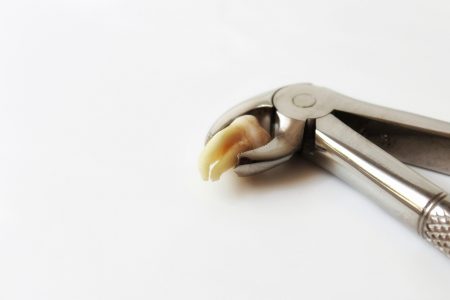
Modern dentures can be incredible life-like and almost unnoticeable, but it wasn’t always so. Ancient dentures could be carved from wood or ivory, but they were uncomfortable, clunky, and never looked quite right.
A more suitable option was to make dentures out of real human teeth. Some of those teeth came from the poorest of the poor, who sold their chompers for pennies.
But living people still need their teeth, so the supply was limited. Dead people, on the other hand…
Robbing graves for corpses’ teeth used to be a relatively common practice. Looters would also descend on battlefields to pull teeth from fallen soldiers who no longer needed them.
3. Death Photography

After the invention of photography, getting a photo of your recently deceased loved ones became popular. In a way, it’s understandable — early cameras required the subject to stay perfectly still over a long exposure time and it’s not like the dearly departed is going anywhere.
At first, relatives of the deceased asked the photographer to simply take a photo of the corpse on its deathbed. That’s not all that weird, perhaps, but with time, death photography grew increasingly morbid and bizarre.
People would dress the dead person in their finest clothes and pose around them, as if for a family photograph where everybody is still alive. Sometimes, the corpses were even posed so that it looked like they were engaged in regular everyday activities, like reading.
Look, we kind of get it — it’s a way to remember your loved ones as they were. But perhaps you might want to take these photos while everyone in them still has a pulse.
4. Roman Toothpaste
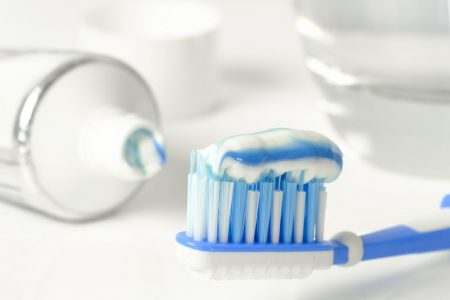
With the demand for human teeth for dentures, you might imagine our ancestors never brushed their teeth. Well, they did, but they didn’t have modern toothbrushes and toothpaste.
That didn’t stop them from trying to take care of their teeth, though. It’s a good goal, but sometimes the substances they used were less than savory.
The ancient Romans gave us two particularly gross examples. One involved grinding mouse brains into a kind of goo that you would then smear on your teeth. Don’t ask us how that was supposed to work.
Still, the brain paste was better than the alternative — which was human urine. Pee does contain ammonia which is an effective cleaning solution, but still…
5. Waste Disposal (or Lack of It)
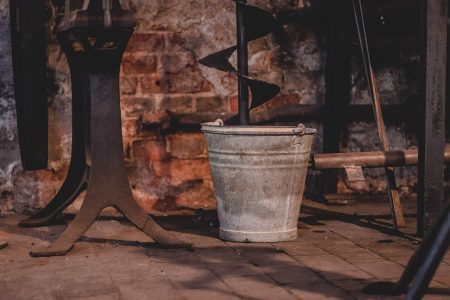
Some ancient cities, like certain Greek polices and Rome, had some pretty impressive sewage systems for transporting filth out of urban areas. Others didn’t.
Take London, for example. If you were a Londoner at basically any point up to the late 1800s, your nearest window was your waste disposal system.
It didn’t matter if you had a full bucket of potato peels, dishwashing liquid, or straight-up poop. Out the window, into the street.
London’s alleys and roads were coated in filth until just a couple of centuries ago. At one point, the authorities tried installing wooden paving so people wouldn’t have to wade through the literal s***.
It didn’t work so well. The ammonia from all the urine flowing through the roads soaked into the wood and made it reek even worse than before.
6. Rome’s Communal Toilets (and Wiping Sponges)
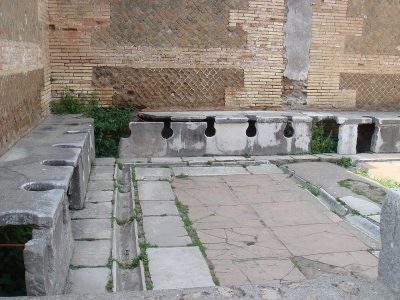
But let’s leave London and return once more to Rome with its excellent sewers. Anyone heading into a public Roman lavatory would’ve best be prepared for some company, though.
That’s because the toilets were communal in every sense of the word. There were no separators — simply a long bench with a series of holes right next to each other.
Things got even more gross after you were done with your business. To wipe yourself off, you would reach for one of the communal butt sponges.
These implements were quite literally just a sponge on a stick. You’d pick it up from a water bucket, clean your bottom, and return the sponge back into the same bucket for the next person to use.
Do we need to point out that gastrointestinal issues were pretty common in Rome? Wonder why.