
- There are many houseplants that help cleanse the air, and who doesn’t need cleaner air?
Plant lovers would be happy to know that there’s a national houseplant appreciation day and that day was January 11th! Whether you like them big or little, green or colorful, let’s celebrate houseplants and learn a little more about why we should all have them.
The Best Houseplant for Clean Air: Snake Plant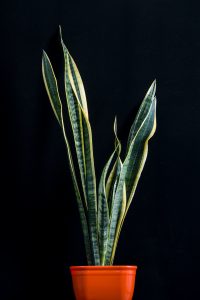
The snake plant is known for removing trichloroethylene, formaldehyde, benzene, and xylene from the air. This plant also goes by the name ‘Mother-in Law’s Tongue’ and ‘Devil’s Tongue’. As an air purifying plant, the snake plant is also as pretty easy to maintain. It is toxic to cats and dogs so be careful with placement.
The Best Houseplant for Dry Conditions: Pothos Plant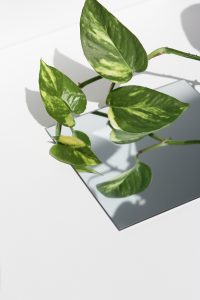
Also called Devil’s Ivy, this gorgeous and tropical houseplant is not only good in low light but it needs next to no water. They trailing system has the capacity to grow up to 30 feet but parent plants like to be more like 6-10 feet long. Pothos leaves come in shades of green (and sometimes varying colors of yellow) and thrive in just about any room in the house. This is the perfect houseplant for houseplant appreciation day.
The Best Houseplant in Low Light: ZZ Plant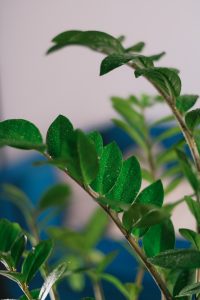
The ZZ plant is one of the most tolerant of low light, and in fact, they are known to be able to survive in no light. They shouldn’t be in an entirely dark environment but if you have some shade, they will do great there. They are also resistant in drought conditions and don’t need much water. Every part of the ZZ plant is poisonous, so wear gloves or wash your hands after you handle it.
The Best Houseplant in Constant Light: Jade Plant
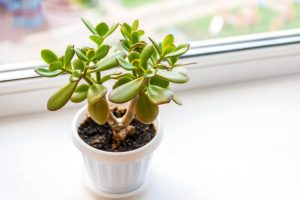
Jade plants are also called money plants, and they are succulents with thick, rounded leaves. Jade plants grow best in the sunniest of spots and like to completely dry out between watering’s. Because of this and the need for lots of sun, avoid keeping your jade plant in the bathroom or kitchen. These too, like so many other houseplants on the list, are mildly poisonous to humans but highly toxic to cats and dogs.
The Best Houseplant in Humidity: Asparagus Fern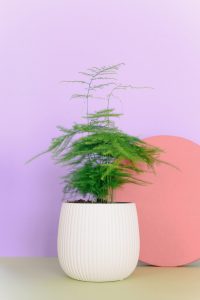
These easy to grow plants aren’t actually a plant after all, but rather a asparagus setaceous that can thrive in bright places and dark places just the same. Keep this fluffy plant moist all the time and know that this plant to is toxic to pets, so beware. What a cute name for a cute plant for houseplant appreciation day.
Now that you know a bunch of great houseplants, here are a bunch of reasons why houseplants are so beneficial:
Reduce Anxiety
Plants care for you, when you care for them, therapeutically. The benefits here are similar to those of outdoor gardening, including easing the symptoms of depression, anxiety, and dementia.
Improve Productivity
Indoor houseplants can improve productivity and performance in the workplace and in school. Tip: Don’t want to kill another houseplant? Place a picture on your desk of you in a green space somewhere outside to get some added productivity and make it a fun memory too so you can enjoy that.
Reduce Air Pollution
There are many houseplants that help cleanse the air, and who doesn’t need cleaner air? NASA even published a study in 1989 that showed plants may improve the air quality for indoor spaces. Boston ferns, spider plants, ficus, rubber trees, and bamboo palms clean the air more effectively than other plants. This is one of the best reasons to celebrate houseplant appreciation day.
Improve Humidity
In drier climates and in winter months, plants release moisture into the air and in turn improve the humidity of the space. Humidity also improves the level of comfort in our homes and makes it easier to breath. And, plants are a lot prettier then humidifiers. So, there’s that.
Do you have houseplants? Which one will you celebrate most for houseplant appreciation day?
`