
- Ever wanted to die in an exotic location? Say no more.
We like to think of Mother Earth as a nurturing and caring figure. But the truth is, nature doesn’t give a rat’s ass of what happens to you.
In fact, there are places on Earth that seem almost designed to kill you. Whether it’s because of the extreme climate, dangerous animals, or unpredictable terrain, trying to visit these places is practically a death sentence.
And, of course, to some people that an irresistible invitation to go try their luck.
Here are eight places on the planet that are closest you can get to Hell on Earth.
1) Snake Island, Brazil
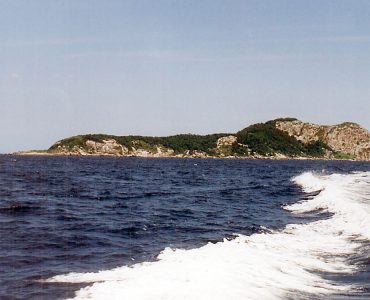
Ilha da Queimada Grande, also known as Snake Island, is a nice little island off the coast of Brazil. Its temperate climate and variety of vegetation would make it quite a vacation spot.
If it wasn’t for all the snakes, that is. It’s not called Snake Island for nothing — the place is chock-full of snakes, each more venomous than the last.
Among them is the critically endangered golden lancehead, the most venomous snake in Latin America. It’s not alone, either, and estimates say there is one snake per every 10 square feet on the island.
Snake Island is so deadly, that the Brazilian government has forbidden anyone to land there. The only people allowed there are scientists who like studying snakes too much to care about their own safety.
2) Lake Natron, Tanzania
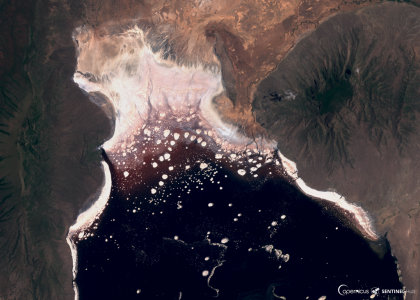
You’ll know something isn’t quite right with Lake Natron as soon as you see it. If the red color doesn’t tip you off, the calcified animal corpses surrounding it should give it away.
Lake Natron is an alkaline lake northern Tanzania. True to its name, the lake’s water has such high levels of natron (sodium carbonate decahydrate) that it’s corrosive to human skin and eyes.
Birds regularly plunge into the lake since its highly reflective surface makes them think they’re flying into open air. Once in the water, the caustic water, combined with its 120-degree temperature, quickly kills them.
The water soon turns the unfortunate birds into solid salt statues of their former selves. But even then, there’s a species of flamingo that thrives in this hellscape.
3) Death Valley, California
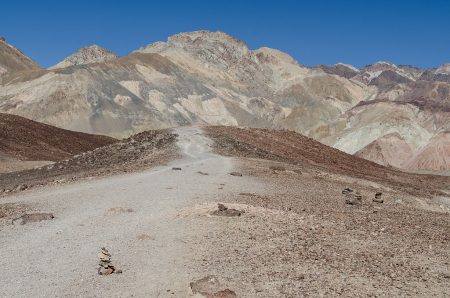
It’s called Death Valley. ‘Nuff said.
Death Valley is the hottest place on Earth. Average summertime temperatures reach 115 degrees Fahrenheit, with the highest recorded temperature hitting 201 — which is incidentally the highest ground temperature ever seen.
If you try to cross the valley without water, you’ll be dead before you reach the other side. Still, Native Americans have inhabited the region for at least a thousand years, and looking at California, the place didn’t exactly stop settlers either.
4) Oymyakon, Russia
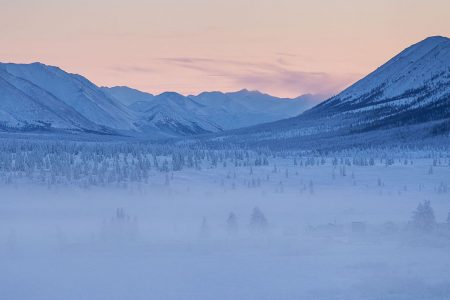
Oymyakon, in eastern Siberia, is pretty much the exact opposite of Death Valley. It’s the coldest places on Earth that still somehow has permanent residents.
In the middle of winter, the average temperature in Oymyakon drops to -58 degrees Fahrenheit. But on particularly harsh days, it can get down to -90.
If the numbers mean nothing to you, let’s say this. The locals have to run across the street to visit their neighbors, because their saliva and eyes will freeze pretty much instantly when they step outside.
Despite it all, some 500 people still eke out a living in this freezer. We don’t know how they do it — Oymyakon isn’t exactly friendly to agriculture.
5) Danakil Desert, Eastern Africa
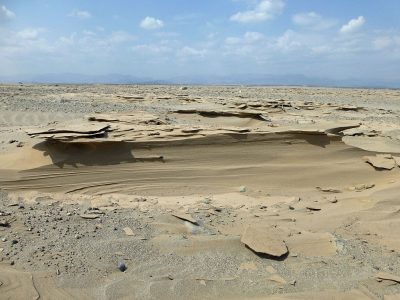
Danakil Desert gives Death Valley a run for its money when it comes to heat. But the sky-high temperatures aren’t the only thing that makes Danakil inhospitable.
The desert is extremely volcanically active. There are straight-up volcanoes spewing magma and geysers belching out such high concentrations of sulfur that you can permanently damage your health with just a short visit.
Not only that, enormous salt flats and multicolored hydrothermal fields cover the desert. It really looks like something that shouldn’t exist on Earth.
6) Mount Washington, New Hampshire
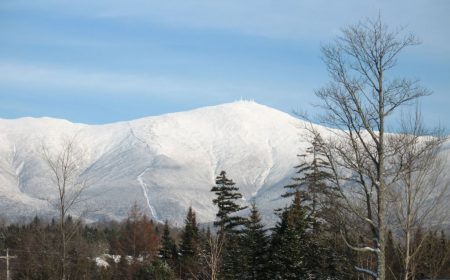
Mount Washington, the highest peak in Northeastern U.S., is a popular hiking location. That’s even when the places can kill you easily.
During winter, temperatures on the mountain can plunge to -40 degrees Fahrenheit. But it’s not the cold that gets you, it’s the wind.
Mount Washington has the highest recorded wind speed not associated with tornados at 231 mph. Combined with the low temperatures, the wind chill will quickly freeze you to death.
Unless it just blows you down one of the mountain’s steep cliffs, that is. Buildings on Mount Washington have to be chained to the ground to keep them from blowing away.
7) North Sentinel Island
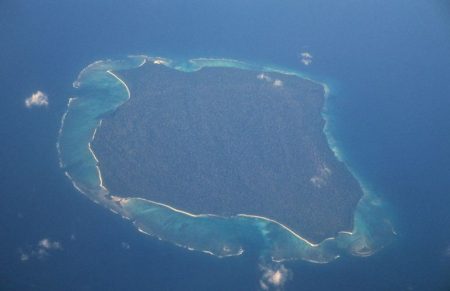
North Sentinel Island in the Indian Ocean isn’t going to kill you by itself. In fact, it’s pretty close to a tropical paradise.
At least we think that. We don’t really know because if you try to go there, the natives will kill you.
The island is home to the Sentinelese people, an isolated tribe with no contact to the outside world. They’ve killed several people who have landed on the island, even if they washed ashore due to a shipwreck.
The public is banned from visiting the island, to protect both them and the Sentinelese. They have no immunity against most modern diseases and bacteria, and just one visitor could wipe them out entirely.
8) Madidi National Park, Bolivia
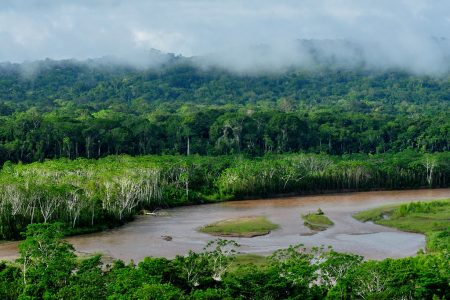
Madidi National Park looks like a great place to live. It’s warm, there’s plenty of fruit in the trees, and lot of small critters to catch.
But the local flora and fauna is more likely to eat you before you can eat them. Many of the plants are poisonous, leaving you with severe skin reactions if you so much as touch them.
There are also jaguars, venomous reptiles and insects, and many other animals that’ll be all too happy see you drop dead. And if you happen to scrape your leg on a rock, have fun with all the tropical parasites that are swarming to get under your skin.