
- Some bumblebees have different colors like red, orange and white.
Do you think you know all these fun facts all about bumblebees? Or do you think some of them may surprise you?
- They coevolved with flowering plants.
- Drones do not collect pollen or help raise young.
- These bees can see ultraviolet light, which helps them find nectar guides on flowers.
- Protecting these bees helps protect biodiversity.
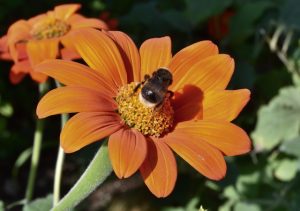
- Tomatoes, blueberries, and peppers rely heavily on bumblebee pollination.
- These bees play a key role in maintaining healthy ecosystems.
- They can distinguish between sweet nectar concentrations.
- Some species are moving north to escape warming temperatures. Did you know this fun fact all about bumblebees?
- These bees are vital pollinators for wildflowers.
- These bees sometimes sleep clinging to flower petals.
- Their decline can negatively impact entire food chains.
- They are active from early spring to late autumn.
- Some species emerge earlier than honeybees.
- They are considered keystone pollinators.
- There are over 250 species of bumblebees worldwide.
- A bumblebee colony is much smaller than a honeybee hive.
- Their wings beat about 200 times per second.
- They do not produce large amounts of honey.
- Bumblebees are generally not aggressive and rarely sting unless threatened.
- Male bumblebees are called drones.
- Unlike honeybees, bumblebees can sting multiple times.
- The queens are larger than worker bees.
- Habitat loss is one of the biggest threats to them.
- Some species nest in grass tussocks or compost piles.
- Greenhouses often use them for commercial pollination.
- Climate change is shifting bumblebee ranges worldwide.
- Studies show bumblebees can roll balls for play-like behavior.
- Bumblebee stings lack barbs, allowing repeated stings. Did you know this fun fact all about bumblebees?
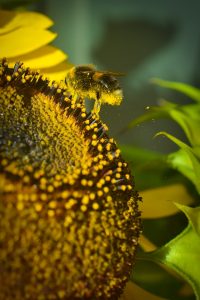
- Some bumblebees have red, orange, or white markings.
- Bumblebees can regulate their body temperature by shivering their flight muscles to stay warm.
- These bees usually nest underground in abandoned rodent burrows.
- They have been observed pulling strings to get food rewards.
- Bumblebees have excellent memories and can remember which flowers gave the best nectar.
- They can learn by watching other bees forage.
- Only the queen survives the winter and starts a new colony in spring. Did you know this fun fact all about bumblebees?
- They communicate with nestmates using chemical signals.
- Their main role is to mate with queens.
- They help increase crop yields for humans.
- Unlike many insects, bumblebees can fly in cold and cloudy weather.
- Bumblebees have pollen baskets on their hind legs called corbiculae.
- They prefer flowers with higher sugar content.
- These insects have existed for millions of years.
- Bumblebee coloration serves as a warning to predators.
- Most bumblebee colonies only last for one season.
- They have a special ability called buzz pollination that helps plants release pollen.
- They can become tired and take short rest breaks inside flowers.
- They are capable of basic problem solving.
- The honey they do make is mainly for feeding their young.
- Despite their chunky appearance, they are strong flyers. Did you know this fun fact all about bumblebees?
- They can recognize colors and patterns when foraging.
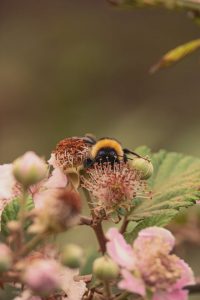
- They groom themselves frequently to clean pollen from their bodies.
- They use their front legs like tiny brushes.
- Their fuzzy bodies help them collect more pollen than smooth-bodied bees.
- They vibrate flowers at specific frequencies to shake pollen loose.
- Bumblebees are large, fuzzy bees known for their gentle nature and important role in pollination.
- Pesticides can harm bumblebee navigation and memory.
- They can carry loads nearly equal to their own body weight.
- Different species have different color patterns, often with black and yellow stripes.
Did you know all of these fun facts all about bumblebees? Tell us something you learned in the comments!