
- Many coffee beans are contaminated with mycotoxins or toxins from mold.
Do you know about these dark not so fun facts about coffee? Tell us something left off the list in the comments!
- The brutal conditions on coffee plantations contributed to uprisings, including the Haitian Revolution.
- Wastewater from coffee processing can pollute rivers if not properly managed.
- Coffee pods, while convenient, have raised environmental concerns due to
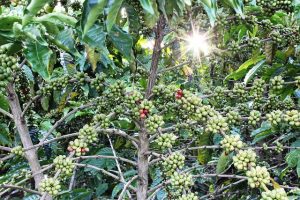 their material and disposal challenges. Because plastic.
 - Coffee cultivation contributes to habitat loss for wildlife, like migratory birds.
- Many coffee beans are contaminated with mycotoxins or toxins from mold.
- High caffeine intake can increase anxiety, disrupt sleep, and lead to dependence for some people. What do you think of this as one of the not so fun facts about coffee?
- Coffee is one of the most chemically treated crops in the world, with pesticides used in large quantities in some regions.
- Shade-grown coffee, which preserves ecosystems, has often been replaced by sun-grown methods that harm biodiversity.
- Despite its benefits, coffee is a complex global product with ethical, environmental, and health trade-offs that many people rarely consider.
- The caffeine in coffee is a natural pesticide produced by the plant to deter insects.
- Decaffeinated coffee often involves chemical processes, though safer methods are now more common.
- Enslaved Africans were forced to work on early coffee plantations, particularly in places like Haiti during the 18th century.
- In the 16th century, authorities in Mecca temporarily outlawed coffee, worried it encouraged dissent.
- The global coffee trade is dominated by a few large corporations, limiting power for small farmers.
- Withdrawal symptoms like severe headaches and irritability often occur if regular coffee drinkers suddenly stop.
- Overconsumption can cause heart palpitations or digestive discomfort in sensitive individuals.

- The pursuit of “perfect” coffee can lead to waste, with imperfect beans discarded.
- Some projections suggest that wild coffee species could face extinction due to environmental pressures.
- The demand for cheap coffee has led to deforestation in countries like Brazil and Vietnam.
- Even today, some coffee farmers earn below living wages despite the industry generating billions globally. What do you think of this as one of the not so fun facts about coffee?
- Certifications like fair trade help but don’t always guarantee significantly better conditions.
- Water-intensive processing methods can strain local water supplies in producing countries.
- Coffee farming communities are highly vulnerable to climate change, which threatens crop yields and quality.
- Coffee culture has historically excluded certain groups, with early coffeehouses in places like London often limited to men.
- Some low-quality coffee has been adulterated with fillers or impurities to cut costs.
- The romantic image of coffee often overlooks the labor-intensive process behind each cup.
- Rising temperatures may reduce the land suitable for growing coffee by mid-century.
- Instant coffee production can involve lower-grade beans and heavy processing.
- Coffee consumption contributes to a massive amount of waste, especially from single-use cups and pods. What do you think of this as one of the not so fun facts about coffee?
- Child labor has been documented in parts of the coffee supply chain, especially in remote farming regions.
- Coffee’s global popularity is tied to colonial expansion, where European powers established plantations in regions like Caribbean and Latin America,
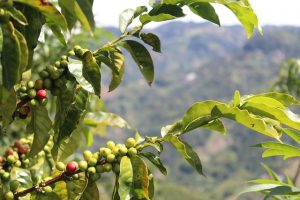 often relying on enslaved or exploited labor.
 - Plastic-lined coffee cups are difficult to recycle and often end up in landfills.
- Coffee has been banned at various times in history due to fears about its social or political influence.
- Coffee’s stimulating effects can mask fatigue, sometimes leading people to push beyond healthy limits.
- Some trendy coffee drinks contain extremely high sugar and calorie levels, which isn’t even the worst of it because of chemicals, impacting health.
- Coffee price volatility can devastate farmers, as global market prices often fluctuate unpredictably.
Did you know all these dark not so fun facts about coffee? Let us know your thoughts on things like the mold in coffee, in the comments!